
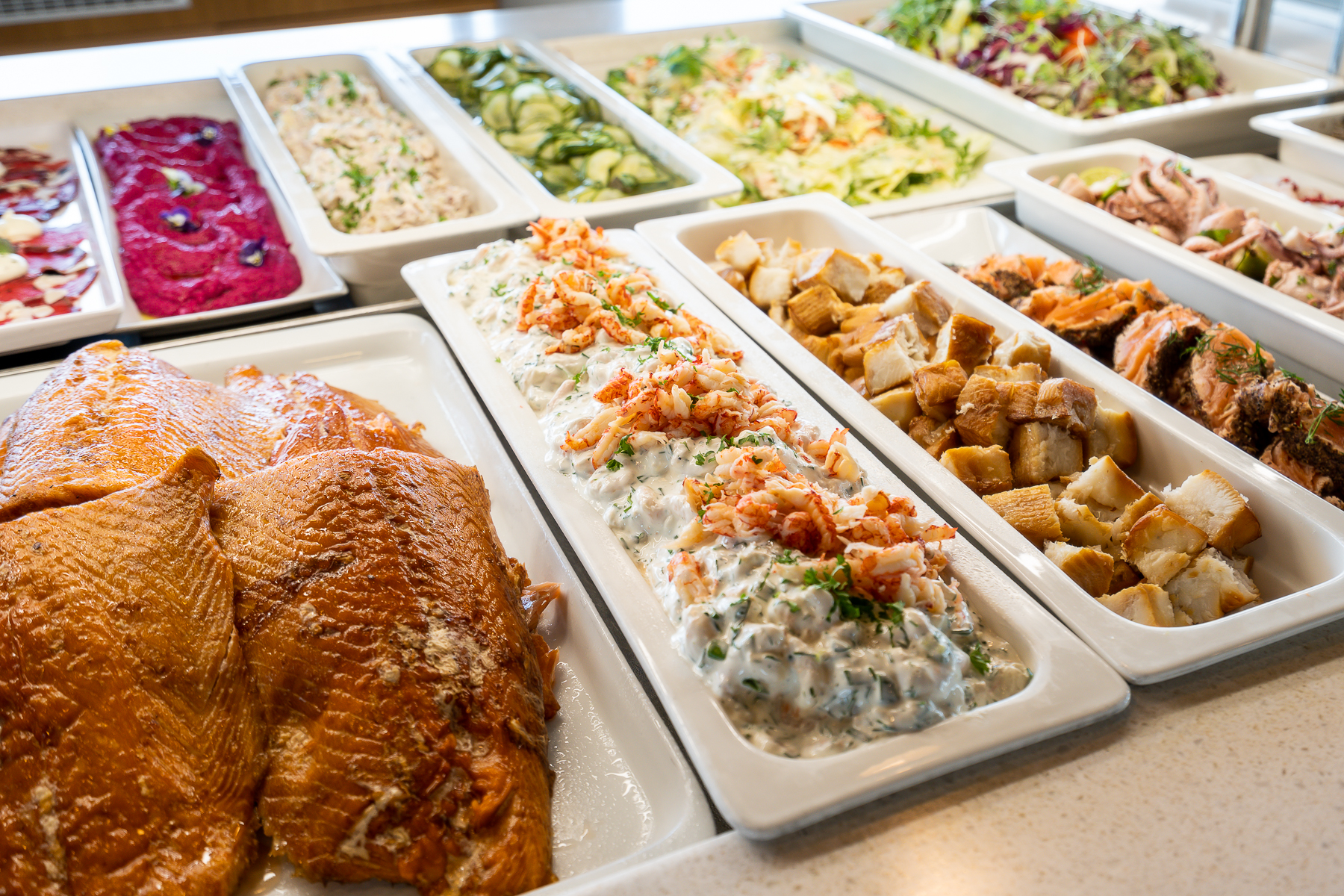
Picture yourself seated high above the Finnish coastline, where the Baltic Sea stretches endlessly towards the horizon, and the aroma of freshly prepared seafood mingles with the crisp Nordic air. This is where the magic of a traditional Finnish lunch experience truly comes alive – not just as a meal, but as a journey through centuries of culinary heritage and cultural tradition. For those seeking an authentic **lunch Espoo** experience, understanding the rich tapestry of Finnish dining culture reveals why this coastal region has become synonymous with exceptional Nordic cuisine.
The traditional Finnish lunch represents far more than sustenance; it embodies a philosophy of dining that celebrates seasonal ingredients, communal gathering, and the unhurried appreciation of food. From the carefully curated selection of preserved fish to the warm hospitality that defines Nordic culture, every element tells a story of maritime heritage and family traditions passed down through generations.
The heritage of Scandinavian buffet dining
The roots of Scandinavian buffet dining stretch deep into Nordic history, emerging from practical necessity and evolving into a cherished cultural institution. The traditional **smörgåsbord** originated in medieval times as a way to preserve and present the bounty of the harsh Nordic seasons, particularly during the long winter months when fresh ingredients were scarce. This method of dining allowed families and communities to showcase their preservation skills whilst creating abundant spreads that could feed large gatherings.
The evolution from simple preservation displays to elaborate buffet presentations reflects the changing social dynamics of Scandinavian society. During the 18th and 19th centuries, the smörgåsbord became a symbol of hospitality and prosperity, with hosts taking great pride in the variety and quality of their offerings. The communal aspect of buffet dining reinforced social bonds and cultural identity, creating spaces where stories were shared, business was conducted, and relationships were strengthened over carefully prepared dishes.
In modern Finland, this tradition has maintained its cultural significance whilst adapting to contemporary dining expectations. The emphasis on **fresh, local ingredients** remains paramount, but today’s interpretations incorporate innovative preparation methods and presentation styles. The buffet format continues to encourage social interaction and unhurried dining, values that stand in stark contrast to the fast-paced meal culture found elsewhere in the world.
Essential elements of authentic Finnish lunch cuisine
Authentic Finnish lunch cuisine centres around the masterful preparation of fish and seafood, reflecting the country’s extensive coastline and maritime heritage. The cornerstone of any traditional Finnish buffet includes an array of **preserved fish preparations** – from delicate cold-smoked salmon and gravlax to the more robust flavours of smoked perch and herring varieties. These preparations showcase centuries-old techniques that transform simple fish into complex, flavourful delicacies.
The bread selection forms another crucial component, with dense, dark rye breads providing the perfect foundation for fish preparations. Traditional Finnish breads, often baked with whole grains and seeds, offer both nutritional value and the robust flavours that complement delicate seafood. These breads are typically served alongside creamy butter and various spreads that enhance rather than mask the natural flavours of the fish.
Seasonal vegetables and accompaniments reflect Finland’s short but intense growing season, with preserved items like pickled cucumbers and beetroot providing essential contrast to rich fish dishes. The balance between hearty main courses and lighter accompaniments creates a dining experience that satisfies without overwhelming, allowing diners to appreciate the subtle flavours and textures that define authentic Nordic cuisine. Fresh herbs, particularly dill and chives, appear throughout the meal, adding brightness and connecting each dish to Finland’s natural landscape.
What makes a traditional Finnish buffet experience unique?
The distinctive character of Finnish buffet dining lies in its unwavering commitment to **seasonal authenticity** and the celebration of local ingredients at their peak. Unlike international buffet concepts that prioritise quantity and variety above all else, Finnish establishments focus on showcasing the natural flavours of carefully selected ingredients, many of which are sourced from the immediate surrounding area. This approach creates a dining experience that changes throughout the year, reflecting the natural rhythms of the Nordic climate.
Traditional preparation methods set Finnish buffets apart from their international counterparts. The smoking, curing, and preservation techniques employed have been refined over generations, creating depth of flavour that cannot be replicated through modern shortcuts. Each dish represents hours of careful preparation, from the slow smoking of fish to the patient curing of gravlax, resulting in products that showcase both technical skill and cultural knowledge.
The cultural importance of **unhurried dining** permeates every aspect of the Finnish buffet experience. Guests are encouraged to take their time, returning to the buffet multiple times throughout their visit, engaging in conversation, and truly savouring each component of their meal. This approach transforms dining from a mere necessity into a social and cultural experience that nourishes both body and spirit. The scenic locations often chosen for traditional Finnish restaurants further enhance this philosophy, providing natural beauty that encourages guests to slow down and appreciate the moment.
Creating memorable dining experiences through tradition
Modern Finnish restaurants face the delicate challenge of maintaining authentic traditions whilst meeting contemporary dining expectations. The most successful establishments achieve this balance by staying true to their **culinary heritage** whilst embracing innovations that enhance rather than replace traditional methods. This might involve incorporating modern presentation techniques or expanding menu options to accommodate dietary restrictions, all whilst preserving the essential character that defines authentic Finnish dining.
Family traditions and generational knowledge play crucial roles in creating authentic experiences. We at establishments like Ravintola Haikaranpesä understand that true authenticity comes from decades of experience and family recipes passed down through generations. This knowledge encompasses not only cooking techniques but also an understanding of how different elements work together to create harmonious flavour profiles and memorable dining experiences.
The integration of scenic locations with traditional dining creates an atmosphere where food becomes part of a larger sensory experience, connecting guests with both Finnish culture and the natural beauty of the coastal landscape.
The success of traditional Finnish dining establishments often stems from their ability to create connections – between past and present, between diners and the local environment, and between individual guests and the broader cultural heritage of Finland. When seeking an exceptional **lunch Espoo** experience, diners discover that the combination of authentic preparation methods, scenic harbour settings, and genuine hospitality creates memories that extend far beyond the meal itself, offering a true taste of Finnish culture and tradition. For those ready to experience this authentic Finnish dining tradition, make your reservation today to secure your place at one of Finland’s most celebrated coastal restaurants.