Archives

Why is Haukilahti considered one of Espoo’s hidden gems?

Vappulounas

Haukilahti is considered one of Espoo’s hidden gems because it combines a genuine seaside atmosphere, a tight-knit community feel, and easy access to nature, all within reach of the Helsinki metropolitan area. Unlike the more commercial districts of Espoo, Haukilahti has preserved a quieter, more authentic character that rewards those who seek it out. The questions below unpack exactly what makes this neighbourhood worth discovering.

What makes Haukilahti different from other Espoo neighbourhoods?

Haukilahti stands apart from other Espoo neighbourhoods because of its rare combination of waterfront location, architectural charm, and a relaxed pace of life that feels genuinely unhurried. While many parts of Espoo have developed rapidly into dense residential or commercial zones, Haukilahti has retained a distinctly coastal identity rooted in its relationship with the sea.

The neighbourhood sits along a sheltered bay, and that geography shapes almost everything about daily life there. Residents walk to the marina, cycle along waterfront paths, and orient their leisure time around the rhythms of the water. This is not a neighbourhood defined by shopping centres or busy arterial roads. It is defined by the smell of salt air and the sight of sailing masts against an open sky.

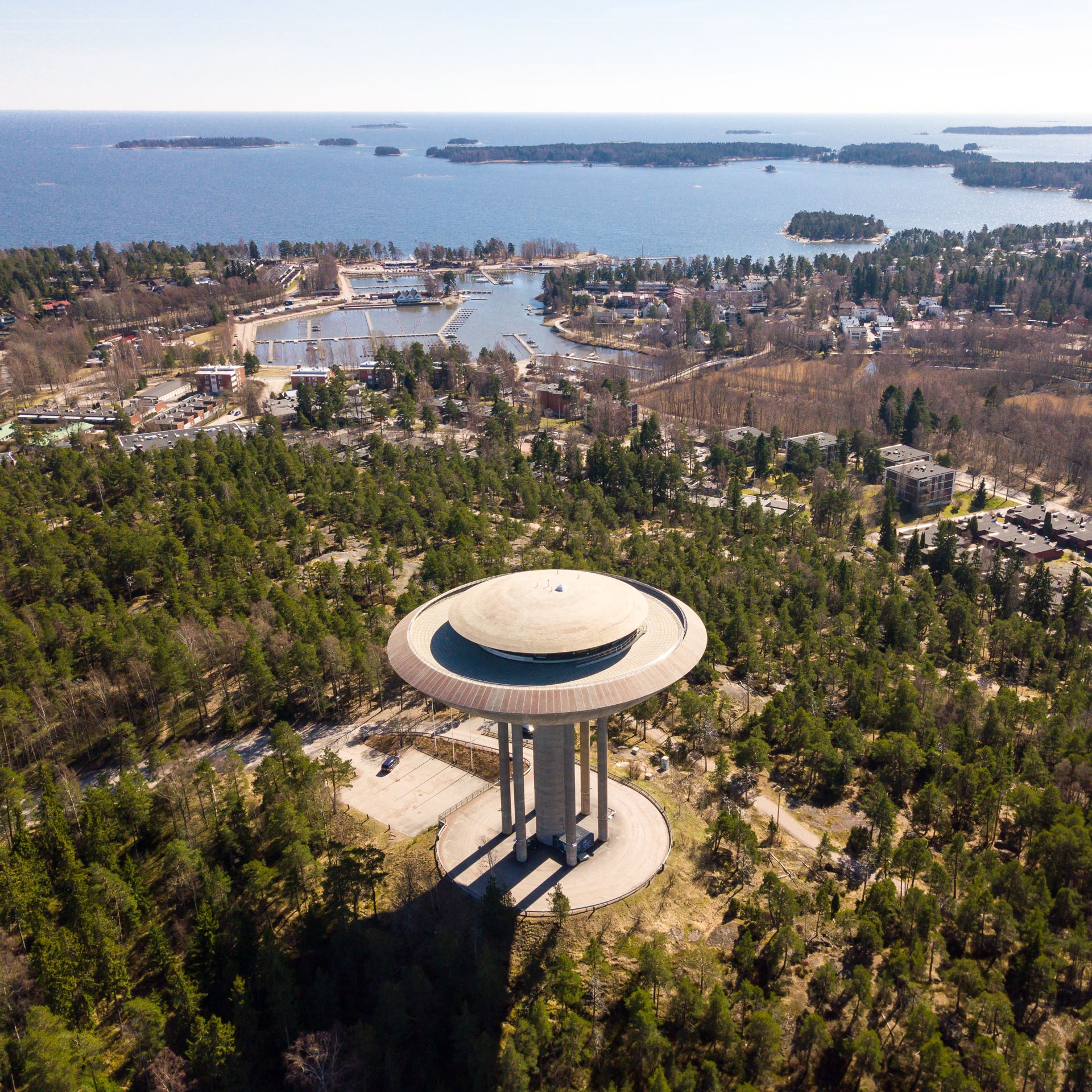
There is also a strong sense of continuity here. Families have lived in Haukilahti for generations, and that longevity creates a social fabric that newer developments rarely achieve. Local institutions, including the marina community and the landmark water tower that has watched over the bay since the 1960s, give the area a sense of rootedness that feels increasingly rare in a fast-changing metropolitan region.

What is there to do in Haukilahti?

Things to do in Haukilahti centre around outdoor recreation, waterfront exploration, and enjoying the natural scenery of the Espoo coastline. The area offers a satisfying mix of active pursuits and quieter pleasures that suit visitors of almost any age or interest.

On and around the water

The Haukilahti marina is the social and recreational heart of the neighbourhood. Sailing is deeply embedded in the local culture, and the marina hosts a lively community of boat owners throughout the warmer months. Kayaking and stand-up paddleboarding are also popular, and the calm bay makes the area well-suited to those who are new to water sports. Walking the shoreline path offers excellent views across the bay, particularly in the early morning or at golden hour.

Nature and outdoor activities

Beyond the waterfront, Haukilahti connects to a broader network of cycling and walking routes that thread through the coastal landscape of southern Espoo. Birdwatching is a quiet but rewarding pursuit in the area, especially during spring and autumn migration seasons. The neighbourhood’s green spaces provide a genuine sense of escape without requiring any long journey out of the city.

For those who want to combine a meal with their visit, we at Ravintola Haikaranpesä offer a dining experience from the top of the Haukilahti water tower, with panoramic views stretching across the sea toward Helsinki. The Scandinavian buffet lunch menu we have maintained since the late 1960s reflects the same seasonal, coastal spirit that defines the neighbourhood itself.

Why do locals keep coming back to Haukilahti?

Locals keep coming back to Haukilahti because the neighbourhood offers something increasingly difficult to find near a major city: a genuine sense of place. The combination of natural beauty, community belonging, and a slower rhythm of life creates an attachment that is easy to understand once you have experienced it.

For many residents, Haukilahti is not simply where they live but where they feel most themselves. The marina brings people together across seasons, whether for sailing regattas in summer or quiet winter walks along the frozen shoreline. Community events, shared outdoor spaces, and the kind of neighbourly familiarity that comes from long-established residency all contribute to a loyalty that is hard to replicate elsewhere.

There is also a practical dimension. Haukilahti offers proximity to central Helsinki without the density or noise of urban living. That balance, coastal calm within easy reach of a capital city, is genuinely rare and genuinely valued by those who have found it.

Where exactly is Haukilahti located in Espoo?

Haukilahti is located in the southern part of Espoo, along the coastline of the Gulf of Finland, approximately 10 kilometres west of central Helsinki. It sits within the broader Tapiola district area and is one of Espoo’s most recognisable waterfront neighbourhoods.

The neighbourhood is well connected by road and public transport, making it straightforward to reach from both Helsinki and the Espoo city centre. The coastal position means that Haukilahti enjoys open sea views to the south, while the surrounding urban landscape of the capital region remains visible to the east. This geographic position, between city and sea, is central to the neighbourhood’s identity as an Espoo waterfront destination.

A useful landmark for orienting yourself is the Haukilahti water tower, which rises visibly above the bay and has served as a local landmark for decades. From the top of the tower, the geography of the area becomes immediately clear, with the bay below, the marina to one side, and the Helsinki skyline visible on the horizon.

When is the best time to visit Haukilahti?

The best time to visit Haukilahti is during the late spring and summer months, roughly from May through August, when the waterfront is at its most active and the Finnish coastal landscape is at its most vivid. Long daylight hours, warm temperatures, and a lively marina atmosphere make this the peak season for experiencing everything the neighbourhood offers.

That said, each season brings its own rewards. Autumn in Haukilahti is quietly beautiful, with cooler air, dramatic skies, and a noticeable stillness as the sailing season winds down. Winter visits offer a completely different experience: the bay can freeze over, the light is low and golden, and the neighbourhood takes on a serene, almost meditative quality that its summer visitors rarely see.

Spring is an excellent time for those who want to see the area come back to life. The marina gradually fills with activity, migratory birds return to the coastline, and the whole neighbourhood seems to shake off the winter with a collective energy that is genuinely uplifting.

Whenever you plan to visit, we recommend taking the time to sit down and enjoy a proper meal with a view. Browse our lunch menu at Ravintola Haikaranpesä to see what is on offer this season, and let the panoramic views of Haukilahti bay complete the experience. You can also reserve your table at the restaurant in advance to make the most of your visit.

Can you combine a Haukilahti visit with nearby Espoo attractions?

Jazz & Dinner Menu

Yes, you can absolutely combine a Haukilahti visit with nearby Espoo attractions, and the combination makes for a genuinely rewarding day out. Haukilahti sits in a well-connected part of Espoo that puts several cultural, natural, and coastal destinations within comfortable reach. Whether you are arriving from Helsinki or exploring Espoo more broadly, this corner of the city rewards those who plan a little.

What attractions are within easy reach of Haukilahti?

Haukilahti offers straightforward access to some of Espoo’s most distinctive sights. The WeeGee Exhibition Centre in Tapiola, the Espoo Museum of Modern Art (EMMA), and the Ainola and Gallen-Kallela Museum are all reachable within 20 to 30 minutes by car or public transport. The nearby coastline and Nuuksio National Park are also within a short drive, giving visitors a broad mix of culture and nature.

Tapiola, one of Finland’s most celebrated examples of planned urban design from the 1950s, is particularly worth a detour. Its architecture, green spaces, and cultural venues form a compact area that feels distinct from Helsinki’s city centre. EMMA, located inside the WeeGee building, houses an impressive collection of Finnish and international contemporary art and regularly runs temporary exhibitions that draw visitors from across the region.

For those drawn to Finnish cultural history, the Gallen-Kallela Museum at Tarvaspää sits on a peninsula along the coast and preserves the studio-home of Akseli Gallen-Kallela, one of Finland’s most celebrated artists. The setting alone, surrounded by water and forest, makes it a memorable stop. These Haukilahti attractions and their surroundings offer a genuinely layered experience of what Espoo has to offer.

How do you get around between Haukilahti and Espoo sights?

Getting around between Haukilahti and other Espoo sights is straightforward using a combination of public transport and cycling. The HSL metro and bus network connects Haukilahti to central Tapiola and beyond, while the coastal cycling routes make pedalling between waterfront destinations a practical and scenic option during warmer months.

The metro is the fastest option for reaching Tapiola and the WeeGee area, with trains running frequently throughout the day. From Tapiola, local buses fan out toward other parts of Espoo. If you prefer to cycle, the waterfront paths along Haukilahti Bay connect naturally to broader Espoo cycling infrastructure, and renting a city bike from HSL’s regional bike-share scheme is a cost-effective way to explore at your own pace.

Driving remains the most flexible option for reaching destinations like Nuuksio National Park or the Gallen-Kallela Museum, where public transport connections are less direct. Parking in Haukilahti itself is generally available and free, making it a practical base from which to plan a broader Espoo day trip itinerary.

What outdoor activities can you enjoy near Haukilahti?

Near Haukilahti, outdoor activities range from coastal walks and swimming to birdwatching and kayaking. The bay itself is a calm, sheltered inlet ideal for stand-up paddleboarding and small-boat sailing. The surrounding shoreline paths are well-maintained and suitable for walking or jogging year-round, with particularly striking scenery during winter when the sea freezes.

The area is well known among birdwatchers, partly because of the heron colony that has historically nested nearby and gives the area much of its local character. Spring and early summer are the best seasons for spotting herons and other waterbirds along the reeds and shoreline.

For a longer outdoor excursion, Nuuksio National Park is roughly 30 kilometres north of Haukilahti and offers marked hiking trails through ancient forests, lakeside swimming spots, and genuine wilderness within easy reach of the city. It is one of the most accessible national parks in Finland and a highlight of any Espoo sightseeing itinerary that leans toward the outdoors.

Where should you eat when visiting Haukilahti and nearby Espoo?

When visiting Haukilahti, we recommend making time for a meal at Ravintola Haikaranpesä, located inside the Haukilahti water tower. As a family-run restaurant with roots stretching back to the late 1960s, we serve a traditional Scandinavian lunch buffet with seasonal fish and seafood dishes in a setting that offers panoramic views across the sea toward Helsinki and deeper into Espoo.

The restaurant’s position at the top of the water tower makes it the highest-situated restaurant in southern Finland, and the views shift beautifully with the seasons and the light. A lunch visit here pairs naturally with a morning spent exploring the coastal paths or the cultural venues in Tapiola, rounding out a full day in the area.

Beyond Haukilahti, Tapiola’s town centre has a range of cafes and lunch spots suited to a midday break between sights. The Espoo waterfront areas also have seasonal kiosks and outdoor seating during summer, which suit visitors who prefer lighter meals while on the move.

Is Haukilahti worth visiting as a day trip from Helsinki?

Haukilahti is genuinely worth visiting as a day trip from Helsinki. The journey from central Helsinki takes roughly 30 to 40 minutes by public transport, and the destination offers a distinct coastal atmosphere, cultural access via Tapiola and its museums, and outdoor options along the waterfront that feel a world away from the city centre.

The combination of things to do near Haukilahti makes it easy to fill a full day without feeling rushed. A morning walk along the bay, a visit to EMMA or the Gallen-Kallela Museum in the late morning, and a long lunch with views from the water tower covers a satisfying range of experiences within a compact geographic area.

For Helsinki residents, Haukilahti also works well as a half-day excursion, particularly on weekdays when the area is quieter and the coastal paths are peaceful. Families, couples, and solo travellers all find something to connect with here, and the Espoo activities available nearby give the trip genuine substance beyond a single attraction.

If you are planning a visit and want to make the most of your time in Haukilahti, we invite you to reserve your table at Ravintola Haikaranpesä and see what seasonal dishes we are serving this season.

What is the history of food culture along Espoo’s coastline?

Jazz & Dinner Menu

Espoo’s coastline food culture is rooted in centuries of fishing tradition, Swedish-Finnish culinary heritage, and a deep connection to the sea. The communities that settled along the shores of what is now Espoo built their entire way of life around the water, and food was no exception. Over generations, those humble fishing traditions evolved into a rich coastal cuisine that still shapes how people eat and gather in this part of Finland today. The sections below trace that journey from the earliest nets cast in the archipelago to the Scandinavian buffet tables of the modern era.

How did fishing shape the earliest food traditions along Espoo’s coast?

Fishing shaped the earliest food traditions along Espoo’s coast by providing the primary source of nutrition and income for coastal communities, making fish the central ingredient in virtually every meal. The waters of the Gulf of Finland offered perch, pike, herring, and Baltic salmon in abundance, and families organised their entire seasonal calendar around the rhythms of the catch.

Before modern transport or refrigeration, eating locally was not a lifestyle choice but a necessity. Coastal households preserved their catch through salting, smoking, and drying, techniques that gave Finnish coastal cuisine many of its most distinctive flavours. Gravlax-style curing, smoked herring, and salted whitefish were not delicacies but everyday staples that kept families fed through long winters.

The fishing communities of Haukilahti and the surrounding bays were small but self-sufficient. Fishermen sold surplus catch at market squares in Helsinki, which was close enough by boat to make trade practical. This relationship between the Espoo coastline and the Helsinki market created an early food economy that tied the two shorelines together long before roads or railways existed.

What role did the Swedish-Finnish heritage play in coastal cuisine?

Swedish-Finnish heritage played a foundational role in shaping coastal cuisine along Espoo’s shores, introducing culinary traditions, preservation techniques, and a philosophy of using simple, high-quality ingredients that remain visible in Finnish coastal cooking to this day. For centuries, the coastal population of the Espoo region was largely Swedish-speaking, and Swedish food culture naturally blended with local Finnish practices.

The influence is most visible in the concept of the shared table. Swedish coastal culture placed great value on communal eating, generous portions, and variety, principles that would eventually develop into the Scandinavian buffet tradition. Pickled herring preparations, rye bread accompaniments, and the pairing of fresh dill with fish all carry clear roots in the Swedish culinary tradition that dominated this coastline for generations.

This bilingual, bicultural food heritage also meant that Espoo’s coastal cuisine absorbed influences from both the Finnish interior and the broader Nordic world. The result was a cuisine that felt distinctly local but carried a Scandinavian breadth, comfortable with both rustic simplicity and festive abundance.

When did restaurants and public dining arrive on Espoo’s coastline?

Restaurants and organised public dining began arriving along Espoo’s coastline in the mid-20th century, as rising living standards, improved transport connections, and a growing leisure culture made eating out accessible to a broader population. Before this period, communal eating outside the home was largely limited to market days and seasonal festivals.

The postwar decades brought significant change. Finland’s economy grew steadily through the 1950s and 1960s, and with it came a new appetite for dining experiences that combined good food with scenic surroundings. The coastline around Haukilahti, with its dramatic sea views and proximity to Helsinki, became a natural destination for families and groups looking to celebrate occasions in a memorable setting.

We at Ravintola Haikaranpesä are part of this history. Established in the Haukilahti water tower at the turn of the 1960s and 1970s, our restaurant became a gathering place where guests could enjoy both the panoramic views across the sea toward Helsinki and the kind of generous, festive cooking that the coastal tradition had always celebrated. As a family business now in its third generation, we carry that original spirit forward.

What is a traditional Scandinavian buffet and why is it tied to coastal Finland?

A traditional Scandinavian buffet, known in Finnish contexts as a noutopöytä, is a communal style of dining where a wide variety of dishes are laid out for guests to serve themselves freely, typically featuring fish, seafood, cured meats, salads, breads, and seasonal specialities. It is tied to coastal Finland because the sea provided the raw ingredients that made this style of abundance possible.

The Scandinavian buffet tradition grew from the practical reality of coastal life. When herring was running, you had more than you could eat fresh. When salmon was in season, you preserved what you could and celebrated what you had. The buffet format was a natural expression of that seasonal generosity, a way of sharing the best of what the water and the land offered at any given time of year.

In coastal communities like those around Espoo’s bays, the buffet was also a social institution. It brought families, neighbours, and visitors together around a shared table, reinforcing the communal values that fishing culture had always depended on. The emphasis on variety and quality over formality made it welcoming to everyone, from fishermen to city guests arriving by boat from Helsinki.

Today, a well-executed Scandinavian buffet still follows these principles: fresh, seasonal ingredients, a balance of preserved and lightly prepared fish, honest flavours, and the kind of unhurried generosity that invites guests to linger and return for more.

How has Espoo’s coastline food culture evolved into the 21st century?

Espoo’s coastline food culture has evolved in the 21st century by preserving its core identity rooted in fresh fish, seasonal ingredients, and communal dining while embracing higher culinary standards, sustainability awareness, and a renewed appreciation for local Nordic produce. The fundamental values have not changed, but the expectations around quality and sourcing have grown considerably.

Modern diners along the Espoo coast are more knowledgeable about where their food comes from and more interested in eating fish and seafood that is caught responsibly and prepared with skill. This has pushed coastal restaurants to think carefully about their menus, favouring seasonal fish over imported alternatives and highlighting the natural flavours of ingredients that the Gulf of Finland still provides.

There is also a growing cultural pride in Finnish coastal cuisine. Where previous generations sometimes looked to French or international fine dining as the benchmark, contemporary food culture increasingly values what is genuinely local. The herring, the perch, the freshwater pike, and the archipelago traditions that shaped this coastline for centuries are now seen as assets rather than humble leftovers from a simpler time.

If you want to experience this living food culture firsthand, we warmly invite you to explore our lunch menu at Ravintola Haikaranpesä. Situated at the top of the Haukilahti water tower with views stretching across the sea, our menu brings the best of Finnish coastal cuisine to your table in a setting that is part of the history described here. You are welcome to reserve your table at Haikaranpesä and join us for a meal rooted in this coastal tradition.

What makes Espoo’s coastal restaurants worth visiting in 2026?

Vappulounas

Espoo’s coastal restaurants are worth visiting in 2026 because they combine exceptional natural scenery with distinctive culinary traditions rooted in Scandinavian heritage. Waterfront dining here means more than a meal — it means panoramic sea views, fresh seasonal seafood, and an atmosphere shaped by decades of Nordic hospitality. The questions below unpack exactly what makes these restaurants so memorable.

What kind of dining experiences do Espoo’s coastal restaurants offer?

Espoo’s coastal restaurants offer a layered dining experience that blends scenic waterfront settings with Nordic culinary tradition. Guests can expect fresh fish and seafood dishes prepared from seasonal catches, generous Scandinavian buffet spreads, and a relaxed yet refined atmosphere that reflects the region’s deep connection to the sea. The experience is as much about place as it is about food.

What sets Espoo waterfront dining apart is the sense of occasion it creates without demanding formality. Whether you arrive for a midweek lunch or a weekend dinner, the combination of open water views and honest, ingredient-led cooking gives the meal a quality that is difficult to replicate inland. Many restaurants along this coastline have been serving guests for generations, which means the hospitality feels practiced and genuine rather than scripted.

Seafood is naturally central to the menu. Expect dishes built around Baltic herring, perch, pike-perch, and other locally sourced fish, often prepared simply to let the freshness speak for itself. Seasonal menus shift with the catch, so what you eat in spring will differ meaningfully from what is on the table in autumn. This responsiveness to the seasons is one of the defining qualities of serious coastal cooking.

Where are Espoo’s most scenic waterfront restaurants located?

The most scenic waterfront restaurants in Espoo are concentrated along the southern coastline, particularly around the Haukilahti Bay area. This stretch of coastline offers unobstructed views across the archipelago toward Helsinki, making it one of the most visually rewarding places to dine in the entire Helsinki metropolitan region.

Haukilahti is especially notable. The bay sits at a point where the city meets open water, and the surrounding landscape shifts beautifully with the seasons — frozen and luminous in winter, green and active in summer. We operate from the Haukilahti water tower, which places our dining room at one of the highest vantage points in southern Finland. On a clear day, guests can see across the sea toward Helsinki and deep into the Espoo archipelago simultaneously.

For anyone planning Espoo waterfront dining, the Haukilahti area rewards exploration beyond the restaurant itself. The surrounding marina, walking paths, and open shoreline make it easy to extend a meal into a longer outing, particularly during the long Nordic summer evenings when daylight stretches well into the night.

What is a Scandinavian buffet and what dishes does it typically include?

A Scandinavian buffet, often called a smörgåsbord in Swedish tradition, is a self-service spread of cold and warm dishes drawn from Nordic culinary heritage. It typically includes cured and pickled fish, cold cuts, salads, warm potato dishes, bread, and seasonal specialties. The format emphasizes variety, freshness, and communal enjoyment rather than a single plated course.

The fish selection is usually the centerpiece. Pickled herring prepared in several ways — with mustard, onion, cream, or lingonberry — appears alongside gravlax, smoked salmon, and roe. Cold cuts such as roast beef, cured meats, and liver pâté complement the seafood. Warm dishes often include meatballs, Jansson’s temptation (a creamy potato and anchovy gratin), and seasonal vegetable preparations.

Bread plays an important role. Rye bread, crispbread, and soft rolls are standard accompaniments, served alongside butter, cheese, and spreads. Desserts typically feature berry-based options such as lingonberry mousse or cloudberry cream, reflecting the Nordic landscape’s natural larder.

At Haikaranpesä, the Scandinavian buffet has been a cornerstone of our offering since the restaurant’s earliest years. We update the spread seasonally so that the ingredients reflect what is genuinely at its best at any given time of year, rather than defaulting to a static, year-round menu.

Why do family-run restaurants stand out in Espoo’s food scene?

Family-run restaurants stand out in Espoo’s food scene because they carry institutional knowledge, consistent standards, and a personal investment in the guest experience that is difficult to replicate in larger, more corporate operations. When the same family has been cooking for and hosting guests across multiple generations, the quality of care tends to be embedded in the culture of the place rather than enforced through management systems.

There is also a practical dimension. Family businesses tend to maintain tighter control over sourcing, preparation, and service because the owners are often present and directly accountable. Recipes evolve slowly and deliberately rather than changing with management turnover. Regulars build genuine relationships with the people serving them, and that continuity shapes the character of the restaurant in ways that guests feel even if they cannot always articulate them.

We are a third-generation family restaurant, and that lineage shapes everything from how we source our fish to how we train the people who work with us. The knowledge accumulated over decades — which suppliers to trust, how to read seasonal variation in the catch, what guests return for year after year — is not something that can be acquired quickly. It is earned through time and passed down with intention.

When is the best time to visit a coastal restaurant in Espoo?

The best time to visit a coastal restaurant in Espoo depends on what kind of experience you are looking for, but late spring through early autumn — roughly May to September — offers the most complete combination of good weather, long daylight hours, and peak seasonal ingredients. Summer evenings in particular, when the sun sets late and the water reflects the light, are genuinely exceptional for waterfront dining.

That said, each season offers something distinct and worth experiencing.

  • Spring (April to May): The coastline comes alive after winter, and the first fresh catches of the season arrive. Lighter menus and a sense of renewal make spring visits feel energizing.
  • Summer (June to August): Long days, warm evenings, and the full vibrancy of the Nordic summer. Outdoor terrace dining is at its best, and the views across the water are at their most dramatic.
  • Autumn (September to October): Autumn brings rich, earthy flavors to the menu alongside the last strong fish catches of the year. The foliage along the coastline adds color to the scenery.
  • Winter (November to March): A quieter, more intimate atmosphere. The frozen sea and low winter light create a stark beauty, and hearty warm dishes make the season deeply satisfying for those who embrace Nordic winter dining.

For weekday visits, lunchtime is often the most practical window. The pace is relaxed, menus are focused, and the setting feels unhurried. We update our seasonal coastal lunch menu regularly to reflect what is freshest and most interesting at that moment in the season. If you are curious about what we are currently serving, we warmly invite you to reserve your waterfront dining table and plan your next visit accordingly.

Scandinavian lunch buffet that brings Nordic tradition to your table

Ravintola Haikaranpesä | Joululounas | Espoo

Some meals are worth pausing your day for. Not just to eat, but to sit down, slow down, and actually enjoy what is on your plate.

If you are looking for a Scandinavian lunch buffet in Espoo that goes beyond the ordinary, you have found it.

A Nordic spread rooted in 60 years of tradition

The Nordic buffet tradition runs deep. Since the turn of the 1960s and 70s, guests have gathered at Haikaranpesä to share in the kind of generous, unhurried dining that Scandinavian food culture does best.

We are a family restaurant now in our third generation. That continuity is not just a story we tell. It shapes every dish we serve and every table we set.

Over six decades, the Nordic tradition of the noutopöytä has remained at the heart of what we do. Abundant, seasonal, and crafted with care.

What the Scandinavian lunch buffet includes

Our lunch buffet in Espoo is built around the best of Scandinavian coastal cuisine. The spread changes daily, but the generosity never does.

A full lunch at Haikaranpesä includes:

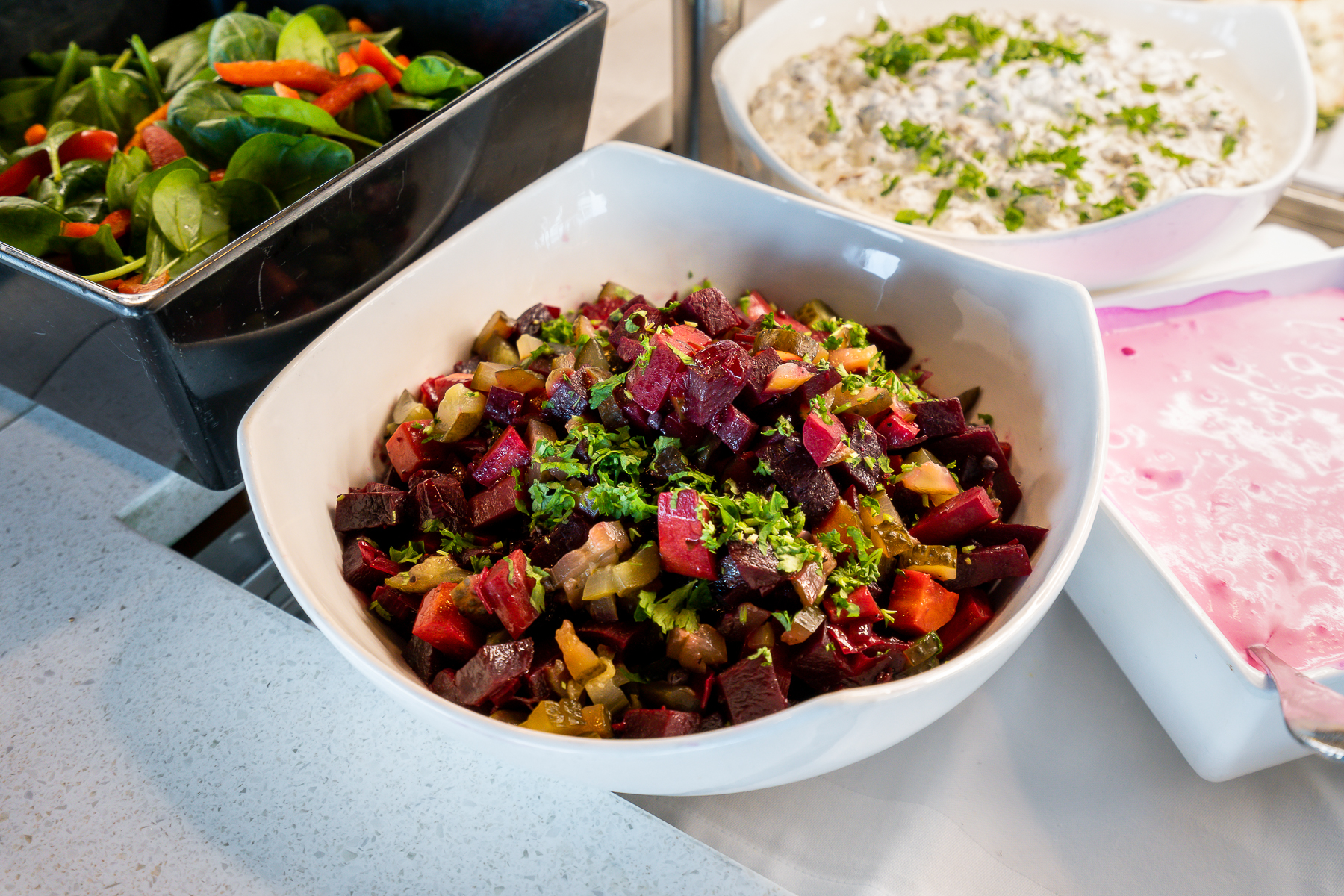
  • A rich cold starter table featuring smoked salmon, gravlax whitefish, cold-smoked halibut, shrimp skagen, marinated herring, boiled eggs, and buttered potatoes
  • A warm main course that rotates daily between fish, meat, and vegetarian options, served with seasonal vegetables and a potato side
  • A dessert table with ice cream, strawberry cake, chocolate cake, mousse cake, cheesecake, and fresh fruit
  • Coffee and tea included

The price is 56 euros per person. Children aged 4 to 7 dine for 12 euros, and children aged 8 to 12 for 15 euros.

We ask that guests with dietary needs, including vegetarian, vegan, or allergy requirements, let us know in advance so we can prepare accordingly.

Dining with a panoramic view unlike any other

Where you eat matters as much as what you eat.

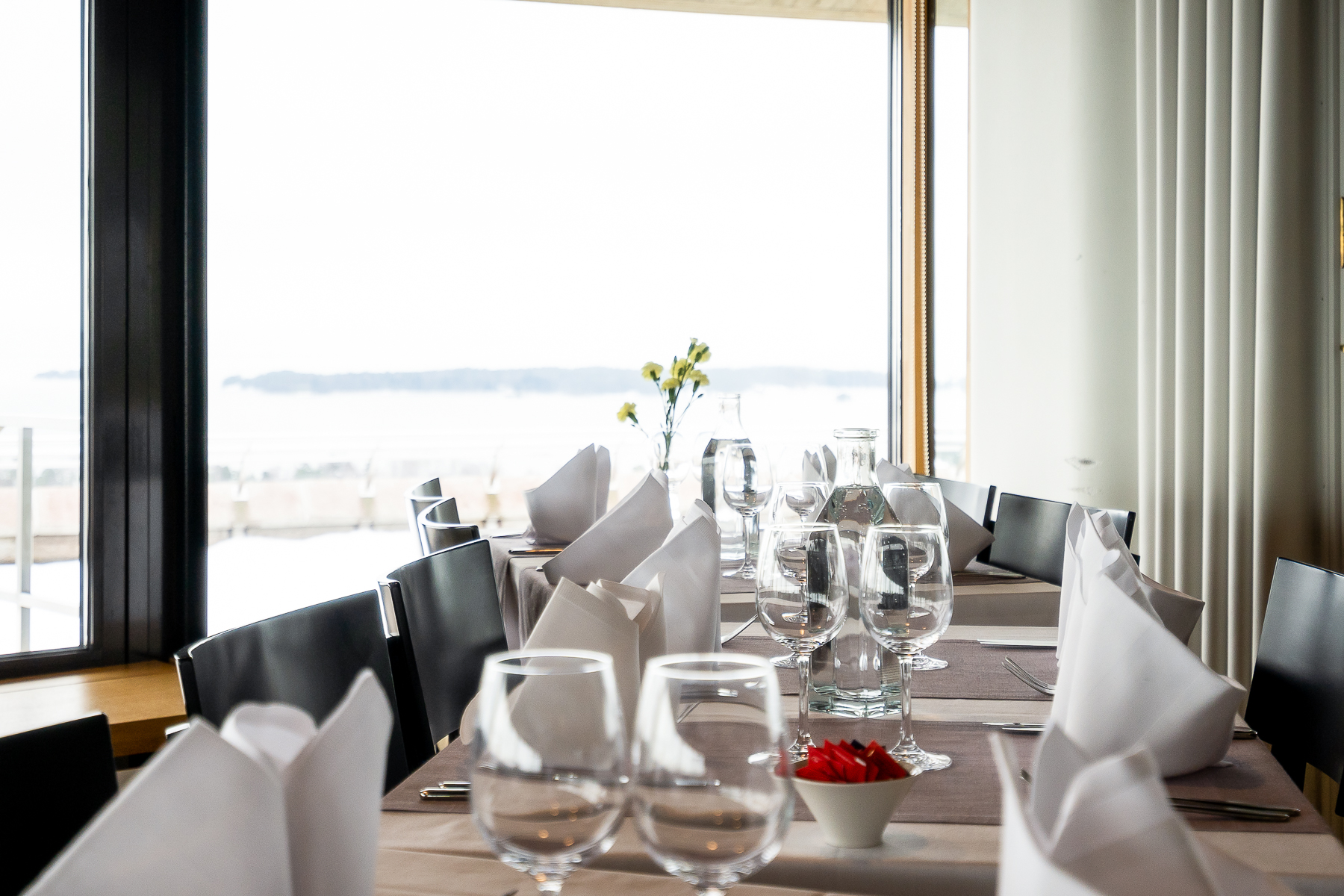
Haikaranpesä is located inside the Haukilahti water tower in Espoo, making it the highest-situated restaurant in Southern Finland. From your table, you look out over the sea, Helsinki, and the Espoo coastline all at once.

This is not a backdrop. It is part of the experience. A Nordic buffet enjoyed at height, with light pouring in and the Baltic horizon stretching out before you.

Why Haikaranpesä stands apart from other lunch spots

A weekday lunch can feel like a transaction. You eat, you leave, you barely remember it.

We believe a midday meal should feel like a genuine break. Here is what makes our lunch restaurant in Espoo different:

  • A daily-changing menu that reflects seasonal availability and fresh ingredients
  • A seafood-forward spread that draws on decades of coastal culinary knowledge
  • A family-run setting where hospitality is personal, not procedural
  • A panoramic location that turns an ordinary lunch into something memorable
  • Flexible dining times: last entry on weekdays at 14:30, and on weekends at 16:30

Whether you come alone, with colleagues, or with family, the experience is designed to make you feel welcome and well fed.

Reserve your table and enjoy Nordic lunch today

Booking is straightforward. You can reserve your table online, by phone, or by email.

  • Phone: 09-4524254 (available on open days between 9:00 and 15:00)
  • Email: ravintolahaikaranpesa@kolumbus.fi

For groups of more than 10 people, we ask for a confirmed headcount at least two business days before your visit. The confirmed number serves as the basis for billing.

We also welcome private events for groups of 30 to 155 guests, available in the evenings until midnight.

A proper Scandinavian lunch buffet with a view, a story, and a table set just for you. Come and experience the noutopöytä tradition that has been welcoming guests since the 1960s.

Experience an authentic Scandinavian buffet worth every visit

Vappulounas

Some meals stay with you long after the plates are cleared. The view, the flavours, the feeling of sitting somewhere genuinely special — that combination is rarer than it should be.

At Haikaranpesä, we have been creating exactly that kind of experience since the turn of the 1960s and 70s. Our Scandinavian buffet is not a trend or a concept. It is a living tradition, served high above the waters of Haukilahti.

A Scandinavian buffet rooted in decades of tradition

We are a family restaurant now in its third generation. That continuity shapes everything about how we cook, how we host, and what we place on the buffet table.

Nordic food culture has always centred on seasonal ingredients, honest preparation, and generous sharing. Our buffet honours that philosophy in every dish.

  • Decades of unbroken family ownership means consistent quality and genuine care
  • Recipes and sourcing decisions are passed down through generations, not handed to a corporate menu planner
  • A kitchen culture built on respect for the ingredient, not just the presentation

When you sit down with us, you are joining a tradition that has fed families, celebrated milestones, and brought people together across more than half a century.

Nordic flavours that define the buffet table

Our Nordic buffet is built around the sea. Fresh, smoked, and cured fish anchor the spread in a way that only a genuine coastal kitchen can deliver.

A typical spread includes warm-smoked salmon, cold-smoked salmon, gravlax of whitefish, cold-smoked halibut, prawn skagen, herring prepared two ways, and soft-boiled eggs alongside buttered new potatoes. That is just the starter table.

  • Daily rotating main courses covering fish, meat, and vegetarian options
  • Seasonal vegetables prepared simply to let the produce speak
  • A dessert table with strawberry cake, chocolate cake, mousse cake, cheesecake, ice cream, and fresh fruit
  • Coffee and tea included to close the meal properly

The menu changes with the seasons and ingredient availability, which means the buffet you experience in 2026 reflects what is genuinely at its best right now, not what is cheapest to source year-round.

Dietary needs are something we take seriously. If you follow a vegetarian or vegan diet, or have allergies, let us know in advance and we will make sure you are looked after.

Dining above the skyline of southern Finland

The location is unlike anywhere else in the region. We are housed in the Haukilahti water tower, which makes us the highest-situated restaurant in southern Finland.

From your table, the views stretch across the sea, toward Helsinki, and across the Espoo coastline. The panorama shifts with the light and the season, but it is always worth stopping to take in.

  • Unobstructed 360-degree views from an elevated position in Haukilahti
  • A setting that transforms a lunch into a genuine occasion
  • The kind of backdrop that makes any gathering feel more significant

This is what a panoramic restaurant in Espoo should feel like. Not a rooftop bar with a view as an afterthought, but a dining room where the landscape is part of the meal itself.

Why Haikaranpesä stands apart from other restaurants

An authentic buffet experience is easy to claim and hard to deliver. What makes ours different is not a single feature but the combination of things that only come from genuine commitment over time.

  • Family ownership: Decisions are made by people who care about the reputation of this place personally, not by a head office
  • Coastal sourcing: Fish and seafood are central to the menu because we are a seaside restaurant, not because it is fashionable
  • Generous spread: The lunch menu at 56 euros per person covers the full starter table, a rotating main course, the dessert table, and coffee or tea. Children aged 4 to 7 dine for 12 euros and those aged 8 to 12 for 15 euros
  • Consistent quality: Three generations of family pride means standards are personal, not procedural

We are a Haukilahti restaurant with deep roots in this community. That sense of place comes through in the food, the welcome, and the atmosphere.

Reserve your table and make it a memorable occasion

Booking is straightforward. You can reserve your table online here, by phone at 09-4524254, or by email at ravintolahaikaranpesa@kolumbus.fi. We are reachable on open days between 9 and 15.

On weekdays, the last arrival time is 14:30, with food service ending at 15:00. On weekends, the last arrival time is 16:30 and service closes at 17:00.

  • Groups of more than 10 people should confirm their final headcount two working days before the visit — this number becomes the billing basis
  • Private events for 30 to 155 guests can be arranged in the evenings until midnight
  • Special dietary requirements should be communicated at the time of booking

Whether you are planning a family lunch, a work gathering, or simply a meal worth remembering, the table is ready. Come and experience Scandinavian food the way it has always been meant to be enjoyed — with time, with views, and with genuine warmth.

What makes a lunch spot unique in Espoo?

Christmas Lunch Haikaranpesä Espoo

A unique lunch spot in Espoo combines an exceptional location, authentic character, and memorable dining experiences that go beyond ordinary restaurant offerings. The most distinctive venues leverage natural surroundings, family heritage, and thoughtful service to create something truly special for their guests.

Espoo’s diverse landscape, from coastal areas to urban centers, provides the foundation for restaurants to develop their own identity. When these elements align with passionate ownership and quality cuisine, they transform a simple meal into an experience worth remembering.

What defines a truly unique lunch spot?

A truly unique lunch spot distinguishes itself through authentic character, exceptional quality, and memorable experiences that cannot be replicated elsewhere. These venues go beyond serving food to create an atmosphere and story that resonates with guests long after their visit.

The foundation of uniqueness often lies in the restaurant’s commitment to quality ingredients and preparation methods. When a venue takes pride in sourcing the finest seasonal ingredients and preparing them with care, this dedication becomes evident in every dish. The difference between ordinary and extraordinary often comes down to these details that many establishments overlook.

Authenticity plays an equally important role in defining uniqueness. Restaurants that stay true to their heritage, whether through traditional recipes, family stories, or cultural connections, offer something that chain establishments simply cannot match. This genuine character creates emotional connections with diners who appreciate the real stories behind their meals.

Service quality and attention to detail further distinguish exceptional lunch venues in Espoo. When staff members understand their menu deeply and can guide guests through options while accommodating special dietary needs, the entire experience becomes more personal and memorable.

How does location impact a restaurant’s uniqueness in Espoo?

Location fundamentally shapes a restaurant’s identity in Espoo by providing natural advantages like scenic views, accessibility, and environmental character that become integral to the dining experience. The right location can transform an ordinary meal into something extraordinary through its surroundings.

Espoo’s varied geography offers restaurants distinct positioning opportunities. Coastal locations provide access to fresh seafood and maritime atmospheres, while elevated positions offer panoramic views that enhance the dining experience. These natural advantages cannot be easily replicated, giving well-positioned restaurants inherent uniqueness.

The practical aspects of location also influence a restaurant’s character. Venues situated in historic buildings or unique structures often inherit architectural features that contribute to their atmosphere. When these spaces are thoughtfully designed to complement their surroundings, they create environments that feel both special and authentic.

Accessibility and convenience factor into location value as well. Restaurants that balance scenic positioning with reasonable access for guests often succeed in building loyal followings. The best locations offer something special while remaining welcoming to regular visitors.

What role does family tradition play in restaurant character?

Family tradition infuses restaurants with authentic character, continuity of vision, and personal investment that creates deeper connections with guests than corporate establishments typically achieve. Multi-generational ownership brings accumulated wisdom, refined recipes, and genuine passion to the dining experience.

When families operate restaurants across generations, they develop institutional knowledge that extends far beyond basic business operations. This includes understanding local preferences, perfecting signature dishes, and building relationships within the community. Such deep roots create stability and trust that guests recognize and value.

Traditional family recipes often become the cornerstone of a restaurant’s identity. These dishes, refined over decades, carry stories and cultural significance that add meaning to the dining experience. When prepared by family members who learned these techniques from previous generations, the food carries an authenticity that cannot be manufactured.

The personal investment that comes with family ownership typically translates into higher standards and attention to detail. Family restaurateurs often view their establishment as an extension of their home, leading to hospitality that feels genuine rather than scripted. This personal touch creates memorable experiences that encourage repeat visits and word-of-mouth recommendations.

How do scenic views enhance the lunch experience?

Scenic views transform lunch from a simple meal into a memorable experience by engaging multiple senses, creating natural conversation topics, and providing a relaxing atmosphere that encourages guests to slow down and savor their time. Beautiful surroundings elevate the perceived value of the entire dining experience.

The psychological impact of attractive views cannot be understated. Natural scenery has been shown to reduce stress and improve mood, making diners more receptive to enjoying their meal and company. When guests feel relaxed and content, they are more likely to appreciate subtle flavors and engage in meaningful conversations.

Views also provide natural entertainment and talking points that enhance social dining experiences. Whether watching boats in a harbor, observing seasonal changes in a landscape, or enjoying city skylines, scenic elements give diners something to discuss and appreciate together. This shared experience often becomes part of the meal’s memory.

For lunch venues specifically, daytime lighting allows guests to fully appreciate scenic surroundings. The natural light that accompanies beautiful views also enhances food presentation, making dishes appear more appealing and photographs more striking. This visual appeal extends the restaurant’s reach through social media sharing.

We have experienced firsthand how our elevated position offers guests sweeping views across the water toward Helsinki and throughout Espoo. Our Scandinavian lunch buffet, featuring fresh seafood selections like cold-smoked salmon, gravlax, and shrimp skagen alongside traditional preparations, becomes even more special when enjoyed against this backdrop. The combination of carefully prepared dishes and memorable views creates the kind of lunch experience that brings guests back time and again. For those interested in experiencing this unique dining atmosphere, we invite you to make a reservation today.

How does Haukilahti water tower restaurant differ from other lunch places?

Christmas Lunch Haikaranpesä Espoo

Haukilahti water tower restaurant differs from typical lunch places through its unique elevated location 60 meters above sea level, offering unparalleled panoramic views across the Finnish coastline while serving traditional Scandinavian cuisine in a historic setting. The water tower’s positioning creates an entirely different dining atmosphere compared to ground-level establishments, combining exceptional scenery with authentic Nordic culinary traditions that have been preserved for over five decades.

This distinctive combination of height, heritage, and hospitality transforms a simple meal into a memorable experience that extends far beyond conventional restaurant offerings. The following exploration reveals how these unique elements work together to create something truly special in the Finnish dining landscape.

What makes Haukilahti water tower restaurant unique from regular restaurants?

The Haukilahti water tower restaurant stands apart through its extraordinary 60-meter elevation, three-generation family heritage, and commitment to traditional Scandinavian dining customs that have remained unchanged since the 1960s. Unlike conventional restaurants built at street level, this establishment occupies the unique position of being Southern Finland’s highest restaurant, creating an experience that combines dining with sightseeing.

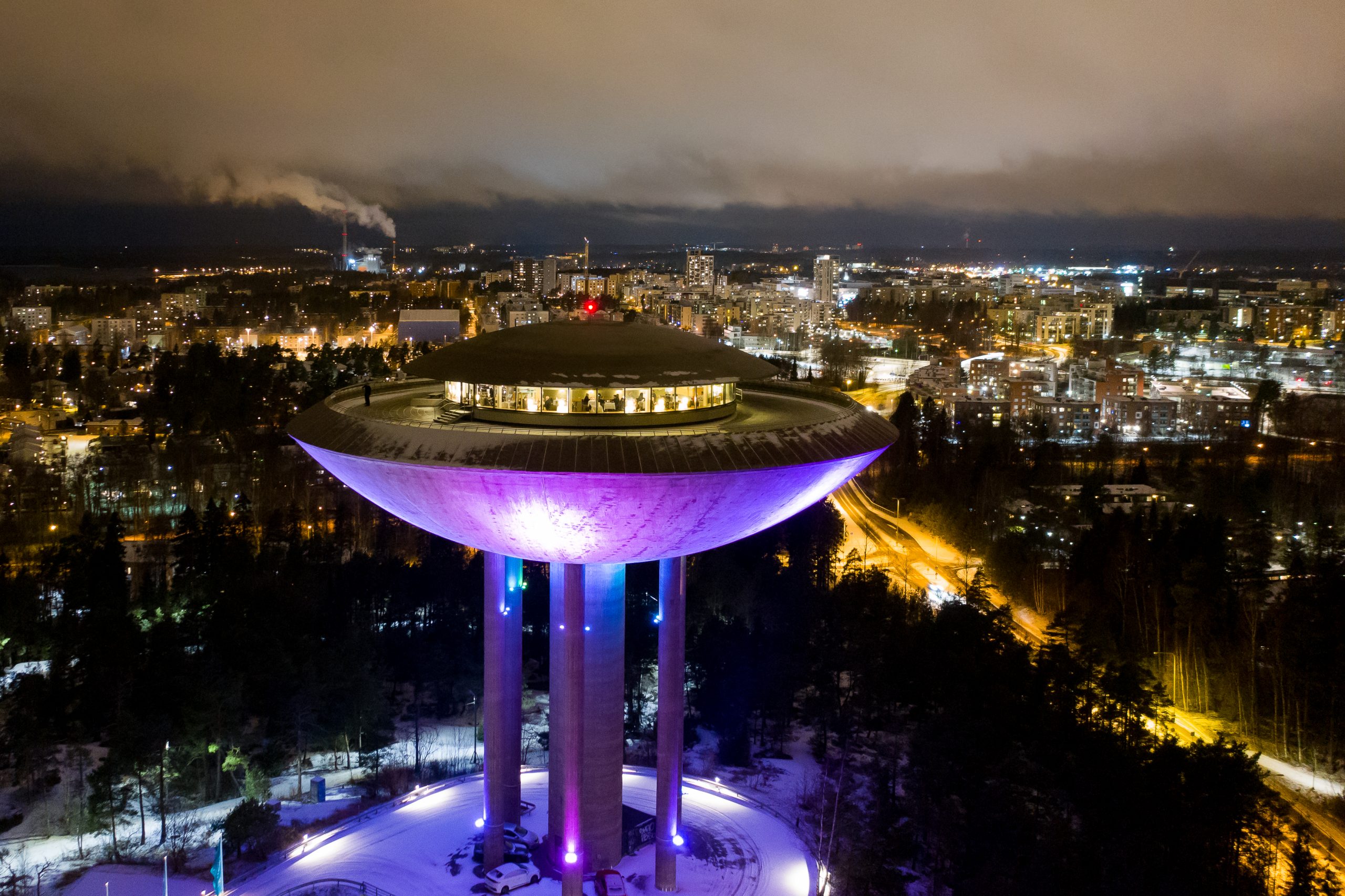
The architectural uniqueness begins with the water tower structure itself, which was repurposed into a dining venue decades ago. This transformation represents a creative use of industrial infrastructure that most restaurants simply cannot replicate. The circular design and elevated position create an intimate yet expansive dining environment where every table offers spectacular views.

Traditional elements further distinguish this establishment from modern lunch spots. The Scandinavian buffet concept, featuring an extensive selection of Nordic specialties, represents authentic regional cuisine rather than contemporary fusion trends. Dishes like smoked salmon varieties, reindeer pâté, and traditional Nordic salads reflect culinary heritage that many modern establishments have abandoned in favor of international influences.

The family ownership spanning three generations adds another layer of authenticity rarely found in commercial restaurant chains or newer establishments. This continuity ensures that dining traditions, recipe preparations, and service standards maintain their original character while adapting thoughtfully to contemporary expectations.

How does the view from Haikaranpesä compare to other scenic restaurants?

The view from Haikaranpesä surpasses typical scenic restaurants through its 360-degree panoramic perspective that encompasses both the Helsinki cityscape and the expansive Baltic Sea coastline, creating visual depth and variety unmatched by single-direction viewing establishments. The water tower’s height provides a bird’s-eye perspective that reveals landscape patterns and coastal features invisible from ground-level scenic locations.

Most scenic restaurants offer views in one primary direction, whether oceanfront, lakeside, or mountain-facing. The circular water tower design eliminates this limitation, allowing diners to experience changing perspectives throughout their meal. The eastern windows reveal Helsinki’s urban skyline, while western views showcase the natural archipelago extending toward the horizon.

The elevation advantage creates visual experiences that change dramatically with weather and lighting conditions. Morning light illuminates the sea surface differently than afternoon sun, while evening dining offers city lights reflecting across the water. This dynamic quality means that repeat visits provide genuinely different visual experiences, unlike static scenic views that remain essentially unchanged.

Seasonal variations add another dimension to the viewing experience. Winter snow transforms the landscape into a Nordic wonderland, spring reveals emerging coastal vegetation, summer showcases vibrant blue waters dotted with sailing vessels, and autumn displays dramatic color changes across the forested coastline. These natural cycles create four distinct visual experiences throughout the year.

What dining traditions set Haikaranpesä apart from modern lunch spots?

Haikaranpesä maintains authentic Scandinavian buffet traditions featuring extensive Nordic specialties, an unhurried dining pace, and a seasonal ingredient focus that contrasts sharply with modern lunch spots emphasizing quick service, international fusion, and year-round standardized menus. The traditional approach prioritizes culinary heritage and dining experience over efficiency and turnover.

The Scandinavian buffet concept represents a fundamental difference from contemporary lunch service and Nordic specialties. Rather than individual plated meals or fast-casual ordering systems, guests experience a leisurely exploration of traditional Nordic cuisine. The buffet includes multiple smoked fish varieties, traditional Nordic salads, seasonal vegetables, and authentic preparation methods that reflect regional culinary history.

Our lunch service maintains the unhurried pace that characterized Nordic dining traditions, encouraging guests to savor both food and views rather than rushing through meals. This approach contrasts with modern lunch spots designed for quick turnover and efficiency. The dining experience includes time for conversation, relaxation, and appreciation of the surrounding environment.

Seasonal ingredient emphasis reflects traditional Nordic cooking principles where menu offerings change based on local availability and natural cycles. This practice differs from modern restaurants that maintain consistent menus year-round through global sourcing. The commitment to seasonal variation creates authentic connections between dining and natural rhythms that industrial food systems have largely eliminated.

The family recipe preservation adds authenticity that chain restaurants and modern establishments cannot replicate. Traditional preparation methods, spice combinations, and presentation styles have been maintained across generations, creating consistency with historical Nordic dining customs rather than contemporary culinary trends.

How does the water tower location affect the dining experience?

The water tower location fundamentally transforms dining into a multisensory experience where elevation creates psychological effects of tranquility and perspective while the circular architecture ensures every seat offers premium views, making the physical environment an integral part of the meal rather than mere background. This architectural integration elevates dining beyond simple food consumption into experiential territory.

The psychological impact of elevation cannot be understated in dining experiences. Height creates natural separation from street-level distractions, traffic noise, and urban congestion that typically intrude on restaurant atmospheres. This elevation provides mental space for relaxation and conversation that ground-level establishments struggle to achieve, regardless of their interior design efforts.

Acoustic properties of the circular tower structure contribute to the dining atmosphere in unexpected ways. The curved walls and elevated position create natural sound dampening that reduces external noise while maintaining comfortable conversation levels inside. This acoustic environment enhances the dining experience without requiring artificial sound management systems.

The rotating visual experience created by the circular design means that diners naturally shift their attention throughout the meal, discovering new details in the landscape as lighting changes and their perspective shifts. This dynamic visual engagement keeps the dining experience fresh and prevents the visual monotony that can occur in traditional rectangular restaurant spaces.

Weather interaction becomes part of the dining experience in ways impossible for conventional restaurants. Guests can observe approaching weather systems, watch storms develop over the sea, or enjoy dramatic cloud formations that create ever-changing ceiling patterns. This connection with natural elements adds unpredictability and wonder to each visit, making every meal unique regardless of menu consistency. To experience this extraordinary dining atmosphere, guests can book their table reservation online and secure their elevated culinary adventure.

What’s included in a Scandinavian buffet lunch in Finland?

Christmas Lunch Haikaranpesä Espoo

A Scandinavian buffet lunch in Finland typically includes an extensive array of cold appetizers featuring various cured and smoked fish, hot main courses with meat and seafood options, and a comprehensive dessert selection. These Nordic buffets, known locally as a smorgasbord, emphasize fresh seasonal ingredients and traditional preparation methods that have been refined over generations.

Finnish Scandinavian buffets offer a distinctive dining experience that combines the country’s maritime heritage with broader Nordic traditions. The format allows diners to sample multiple dishes across different courses, creating a leisurely meal that celebrates the diversity of Finnish and broader Scandinavian cuisine.

What exactly is a Scandinavian buffet and how does it differ from other buffets?

A Scandinavian buffet is a structured dining format that emphasizes cold appetizers, particularly various preparations of fish, followed by hot main courses and desserts, all served simultaneously for self-service. Unlike typical buffets that focus on volume and variety across all food categories, Scandinavian buffets prioritize quality preparations of traditional Nordic ingredients, especially seafood.

The key distinction lies in the methodical approach to course progression and ingredient selection. Traditional Scandinavian buffets follow a specific sequence in which diners begin with cold fish preparations, move to other cold appetizers, then proceed to hot dishes, and conclude with desserts. This structure reflects centuries of Nordic dining customs where preserved fish was essential for survival through harsh winters.

The buffet format also differs in its emphasis on seasonal ingredients and traditional preservation techniques. You will find extensive selections of cured, smoked, and pickled preparations that showcase the Nordic mastery of food preservation. The presentation tends to be more refined than casual buffets, with careful attention to traditional serving methods and authentic preparation techniques.

What traditional dishes can you expect at a Finnish Scandinavian buffet?

Finnish Scandinavian buffets feature an extensive selection of cured and smoked fish, including gravlax, cold- and hot-smoked salmon, pickled herring preparations, and various seafood salads, complemented by traditional meat dishes like reindeer pate and roasted meats. The cold appetizer section forms the foundation of the meal, showcasing Finland’s maritime culinary heritage.

The cold fish selection typically includes multiple salmon preparations such as warm-smoked salmon, cold-smoked salmon, and gravlax (salt and dill-cured salmon). Herring appears in various forms, including pickled herring with different marinades, herring in sour cream, and traditional sherry herring. You will also find other Nordic fish preparations like cured whitefish and various seafood salads featuring shrimp or crab.

Hot main courses reflect both land and sea traditions. Meat options often include traditional roasted meats, reindeer preparations, and various sausages or meatballs. Fish dishes might feature the daily catch prepared with seasonal vegetables. These are typically accompanied by traditional sides like boiled potatoes, seasonal vegetables, and various salads, including classic preparations like Caesar salad alongside more traditional Nordic options.

The dessert selection usually encompasses both traditional Finnish sweets and international favorites. Expect to find various cakes, including berry-based desserts that highlight Finland’s abundant wild berries, alongside ice cream, fresh fruits, and coffee or tea to conclude the meal.

How much does a Scandinavian buffet lunch typically cost in Finland?

Scandinavian buffet lunches in Finland typically range from 50 to 70 euros per adult, with children’s pricing usually set at significantly reduced rates based on age groups. The pricing reflects the quality of ingredients, particularly the emphasis on fresh and cured seafood, and the comprehensive nature of the dining experience.

At our establishment, we offer our comprehensive Scandinavian buffet lunch experience for 56 euros per person, which includes the full experience from appetizers through desserts with coffee and tea. Children aged 4-7 years are priced at 12 euros, while children aged 8-12 years are charged 15 euros, making it accessible for families to enjoy this traditional dining experience together.

The pricing structure reflects the substantial preparation involved in creating authentic Scandinavian buffet offerings. The cost accounts for premium ingredients like various salmon preparations, imported or specialty items, and the extensive labor required for traditional curing and smoking processes. Many establishments also include beverages like coffee and tea in the base price, adding value to the overall dining experience.

Pricing can vary based on location, with establishments in prime locations or those offering exceptional views potentially charging premium rates. The investment reflects not just the food quality but the entire cultural dining experience that Scandinavian buffets represent.

What’s the proper etiquette for dining at a Scandinavian buffet in Finland?

Proper Scandinavian buffet etiquette involves following the traditional course progression, starting with cold fish and appetizers, then moving to hot dishes, and finishing with desserts, while using clean plates for each course and taking only what you can consume. This structured approach respects the culinary traditions and ensures the optimal tasting experience.

Begin your meal at the cold appetizer section, focusing first on the various fish preparations. Take time to sample different cured and smoked fish options, as these represent the heart of Scandinavian buffet tradition. Use the provided serving utensils for each dish and avoid mixing different preparations on the same plate to maintain distinct flavors.

When moving to hot dishes, use a fresh plate to maintain proper food temperatures and prevent flavor contamination. The hot course typically includes meat and fish options along with traditional sides. Take reasonable portions that you can finish, as waste is considered particularly inappropriate in Nordic dining culture, which emphasizes respect for ingredients and preparation effort.

For special dietary requirements such as vegetarian, vegan, or allergy considerations, it is customary to inform the establishment in advance. This allows the kitchen to ensure appropriate options are available and properly labeled. Most Finnish establishments are well-equipped to accommodate various dietary needs when given proper notice.

Finally, conclude with the dessert course, again using a clean plate. The inclusion of coffee and tea is traditional and provides a proper conclusion to the meal. Book your Scandinavian buffet table to experience this leisurely dining tradition, as Scandinavian buffet dining is meant to be unhurried, allowing for conversation and appreciation of the various preparations.

Should you choose buffet lunch or à la carte dining in Espoo?

Christmas Lunch Haikaranpesä Espoo

The choice between buffet lunch and à la carte dining in Espoo depends on your priorities: buffet offers better value and variety for hearty appetites, while à la carte provides more personalized service and precise portion control. Both dining styles have distinct advantages in terms of cost, food quality, and dining experience that suit different preferences and occasions.

Understanding these differences helps you make the right choice for your specific needs, whether you’re looking for a quick business lunch, a leisurely meal with friends, or a special dining experience. Each style offers unique benefits that cater to different dining preferences and budgets in Espoo’s restaurant scene.

What’s the difference between buffet lunch and à la carte dining?

Buffet lunch is a self-service dining style where you select from a variety of pre-prepared dishes displayed on serving tables, while à la carte dining involves ordering individual dishes from a menu that are prepared specifically for you. The fundamental difference lies in service style, food preparation timing, and the level of customization available.

In buffet dining, you have immediate access to multiple courses and can sample various dishes in quantities you choose. This style typically includes appetizers, main courses, and desserts, all available simultaneously. The food is prepared in larger batches and kept warm or fresh for service throughout the lunch period.

À la carte dining, conversely, offers a more traditional restaurant experience where each dish is prepared to order. This allows for specific dietary modifications, cooking preferences, and timing control. You work directly with serving staff who can provide recommendations and accommodate special requests.

The social aspect also differs significantly between these dining styles. Buffet dining encourages a more casual, exploratory approach where diners can move around and discover new flavors. À la carte dining creates a more intimate, seated experience focused on conversation and relaxation.

How much does buffet lunch cost compared to à la carte in Espoo?

Buffet lunch in Espoo typically costs between 45-60 euros per person, while à la carte lunch meals generally range from 25-45 euros per person, making à la carte initially appear more economical. However, the value equation changes when considering the quantity and variety of food included in each option.

Buffet pricing usually includes multiple courses in one fixed price. For example, we offer our Scandinavian buffet lunch at 56 euros per person, which includes an extensive appetizer selection, daily rotating main courses featuring meat, fish, and vegetarian options, plus a comprehensive dessert table with coffee and tea. Children aged 4-7 years dine for 12 euros, while children aged 8-12 years pay 15 euros.

À la carte pricing varies significantly based on your selections. A typical à la carte lunch might include a starter (8-15 euros), main course (18-28 euros), and dessert (6-10 euros), potentially totaling 32-53 euros before beverages. However, you have complete control over what you order and can opt for lighter meals or skip courses entirely.

The cost-effectiveness depends on your appetite and dining preferences. Heavy eaters and those who enjoy trying multiple dishes often find buffet pricing more economical, while diners with specific preferences or smaller appetites may prefer the flexibility of à la carte pricing.

Which dining style offers better food quality and variety?

Both buffet and à la carte dining can offer excellent food quality, but they excel in different areas: buffets provide superior variety and the opportunity to sample multiple dishes, while à la carte typically offers fresher preparation and more precise seasoning for individual dishes.

Buffet dining shines in variety and abundance. A well-executed buffet presents numerous options across different cuisine styles, dietary preferences, and flavor profiles in a single meal. This allows diners to explore combinations they might not typically order and discover new favorites. The visual presentation of multiple dishes also enhances the dining experience through abundance and choice.

Quality in buffet service depends heavily on turnover rates and temperature maintenance. High-quality buffet operations, particularly those featuring fresh seafood and seasonal ingredients, maintain food at optimal temperatures and replenish dishes frequently to ensure freshness. The key is selecting establishments known for their buffet execution and ingredient sourcing.

À la carte dining typically provides superior individual dish quality through made-to-order preparation. Each dish receives focused attention from kitchen staff, allowing for precise cooking times, optimal seasoning, and fresh preparation. This style also accommodates specific dietary requirements and cooking preferences more easily.

The “better” choice depends on your definition of quality. If variety and abundance define your ideal meal, buffet style often provides superior value. If precision, customization, and made-to-order freshness are priorities, à la carte dining typically delivers better individual dish quality.

What are the time and convenience differences between buffet and à la carte?

Buffet dining offers significantly faster service and greater time control, as food is immediately available without waiting for preparation, while à la carte dining requires longer meal times due to ordering, preparation, and sequential course service. The time difference can range from 30 minutes for buffet service to 60-90 minutes for full à la carte meals.

Buffet service provides maximum flexibility for diners with time constraints. You can arrive, select your food immediately, and control your meal pace entirely. This makes buffet dining ideal for business lunches, quick family meals, or situations where dining time is limited. There’s no waiting for orders to be taken, prepared, or served in sequence.

The convenience extends to group dining scenarios where different people have varying appetites, dietary restrictions, or time availability. Everyone can accommodate their individual needs without affecting others’ dining experience or timing.

À la carte dining requires more time investment but offers different conveniences. The structured pace allows for relaxed conversation between courses and a more leisurely dining experience. This style works well for special occasions, business meetings requiring extended discussion time, or romantic meals where ambiance and timing enhance the experience.

Service attention also differs between styles. Buffet dining requires minimal staff interaction after seating, while à la carte service provides ongoing attention from serving staff who can offer recommendations, accommodate special requests, and ensure an optimal dining experience throughout the meal.

Consider your schedule, group dynamics, and desired dining pace when choosing between these options. Buffet dining maximizes efficiency and flexibility, while à la carte dining prioritizes experience and personalized service over speed. To make your dining reservation, consider which style best matches your needs and preferences.