
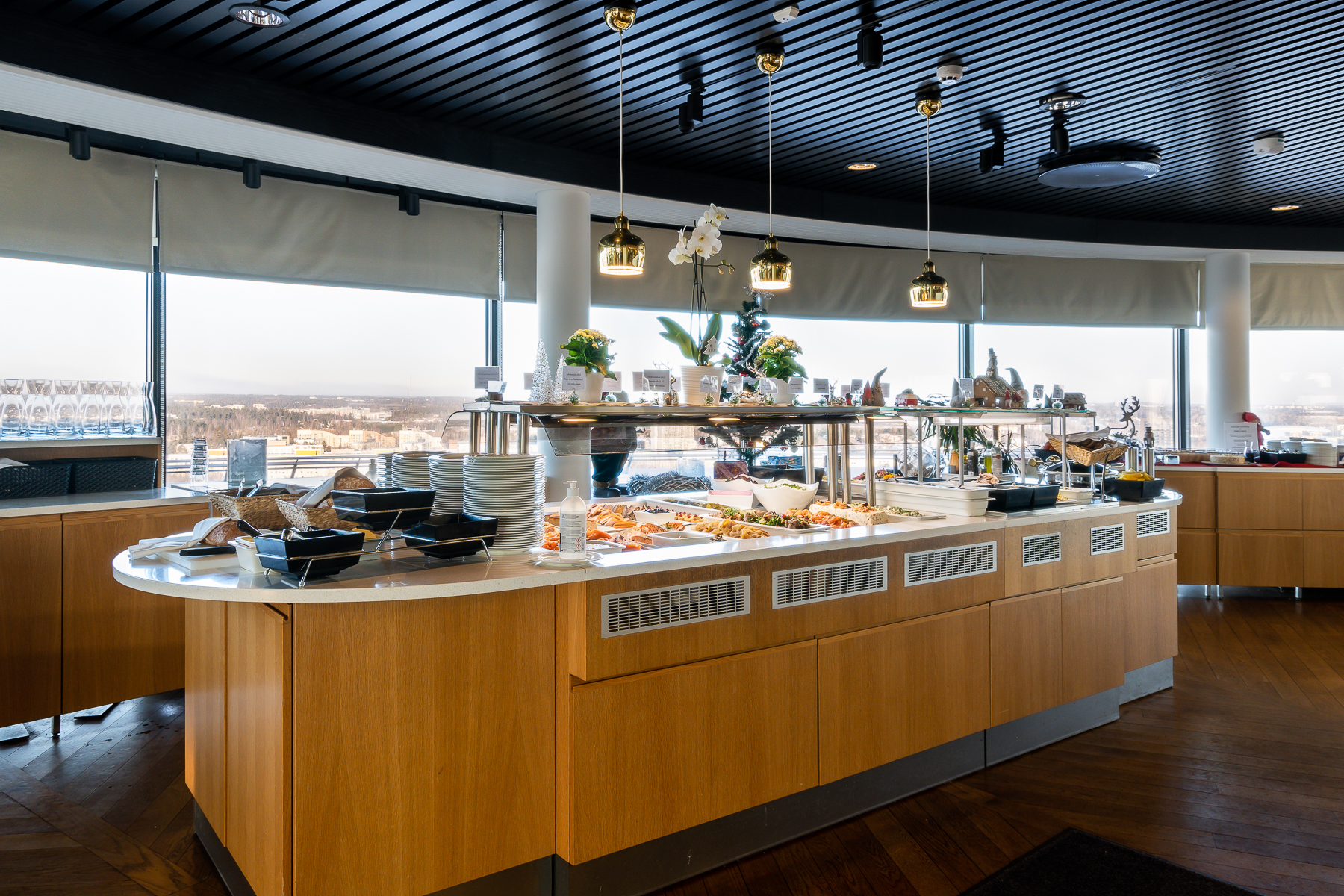
The choice between buffet lunch and à la carte dining in Espoo depends on your priorities: buffet offers better value and variety for hearty appetites, while à la carte provides more personalized service and precise portion control. Both dining styles have distinct advantages in terms of cost, food quality, and dining experience that suit different preferences and occasions.
Understanding these differences helps you make the right choice for your specific needs, whether you’re looking for a quick business lunch, a leisurely meal with friends, or a special dining experience. Each style offers unique benefits that cater to different dining preferences and budgets in Espoo’s restaurant scene.
What’s the difference between buffet lunch and à la carte dining?
Buffet lunch is a self-service dining style where you select from a variety of pre-prepared dishes displayed on serving tables, while à la carte dining involves ordering individual dishes from a menu that are prepared specifically for you. The fundamental difference lies in service style, food preparation timing, and the level of customization available.
In buffet dining, you have immediate access to multiple courses and can sample various dishes in quantities you choose. This style typically includes appetizers, main courses, and desserts, all available simultaneously. The food is prepared in larger batches and kept warm or fresh for service throughout the lunch period.
À la carte dining, conversely, offers a more traditional restaurant experience where each dish is prepared to order. This allows for specific dietary modifications, cooking preferences, and timing control. You work directly with serving staff who can provide recommendations and accommodate special requests.
The social aspect also differs significantly between these dining styles. Buffet dining encourages a more casual, exploratory approach where diners can move around and discover new flavors. À la carte dining creates a more intimate, seated experience focused on conversation and relaxation.
How much does buffet lunch cost compared to à la carte in Espoo?
Buffet lunch in Espoo typically costs between 45-60 euros per person, while à la carte lunch meals generally range from 25-45 euros per person, making à la carte initially appear more economical. However, the value equation changes when considering the quantity and variety of food included in each option.
Buffet pricing usually includes multiple courses in one fixed price. For example, we offer our Scandinavian buffet lunch at 56 euros per person, which includes an extensive appetizer selection, daily rotating main courses featuring meat, fish, and vegetarian options, plus a comprehensive dessert table with coffee and tea. Children aged 4-7 years dine for 12 euros, while children aged 8-12 years pay 15 euros.
À la carte pricing varies significantly based on your selections. A typical à la carte lunch might include a starter (8-15 euros), main course (18-28 euros), and dessert (6-10 euros), potentially totaling 32-53 euros before beverages. However, you have complete control over what you order and can opt for lighter meals or skip courses entirely.
The cost-effectiveness depends on your appetite and dining preferences. Heavy eaters and those who enjoy trying multiple dishes often find buffet pricing more economical, while diners with specific preferences or smaller appetites may prefer the flexibility of à la carte pricing.
Which dining style offers better food quality and variety?
Both buffet and à la carte dining can offer excellent food quality, but they excel in different areas: buffets provide superior variety and the opportunity to sample multiple dishes, while à la carte typically offers fresher preparation and more precise seasoning for individual dishes.
Buffet dining shines in variety and abundance. A well-executed buffet presents numerous options across different cuisine styles, dietary preferences, and flavor profiles in a single meal. This allows diners to explore combinations they might not typically order and discover new favorites. The visual presentation of multiple dishes also enhances the dining experience through abundance and choice.
Quality in buffet service depends heavily on turnover rates and temperature maintenance. High-quality buffet operations, particularly those featuring fresh seafood and seasonal ingredients, maintain food at optimal temperatures and replenish dishes frequently to ensure freshness. The key is selecting establishments known for their buffet execution and ingredient sourcing.
À la carte dining typically provides superior individual dish quality through made-to-order preparation. Each dish receives focused attention from kitchen staff, allowing for precise cooking times, optimal seasoning, and fresh preparation. This style also accommodates specific dietary requirements and cooking preferences more easily.
The “better” choice depends on your definition of quality. If variety and abundance define your ideal meal, buffet style often provides superior value. If precision, customization, and made-to-order freshness are priorities, à la carte dining typically delivers better individual dish quality.
What are the time and convenience differences between buffet and à la carte?
Buffet dining offers significantly faster service and greater time control, as food is immediately available without waiting for preparation, while à la carte dining requires longer meal times due to ordering, preparation, and sequential course service. The time difference can range from 30 minutes for buffet service to 60-90 minutes for full à la carte meals.
Buffet service provides maximum flexibility for diners with time constraints. You can arrive, select your food immediately, and control your meal pace entirely. This makes buffet dining ideal for business lunches, quick family meals, or situations where dining time is limited. There’s no waiting for orders to be taken, prepared, or served in sequence.
The convenience extends to group dining scenarios where different people have varying appetites, dietary restrictions, or time availability. Everyone can accommodate their individual needs without affecting others’ dining experience or timing.
À la carte dining requires more time investment but offers different conveniences. The structured pace allows for relaxed conversation between courses and a more leisurely dining experience. This style works well for special occasions, business meetings requiring extended discussion time, or romantic meals where ambiance and timing enhance the experience.
Service attention also differs between styles. Buffet dining requires minimal staff interaction after seating, while à la carte service provides ongoing attention from serving staff who can offer recommendations, accommodate special requests, and ensure an optimal dining experience throughout the meal.
Consider your schedule, group dynamics, and desired dining pace when choosing between these options. Buffet dining maximizes efficiency and flexibility, while à la carte dining prioritizes experience and personalized service over speed. To make your dining reservation, consider which style best matches your needs and preferences.