
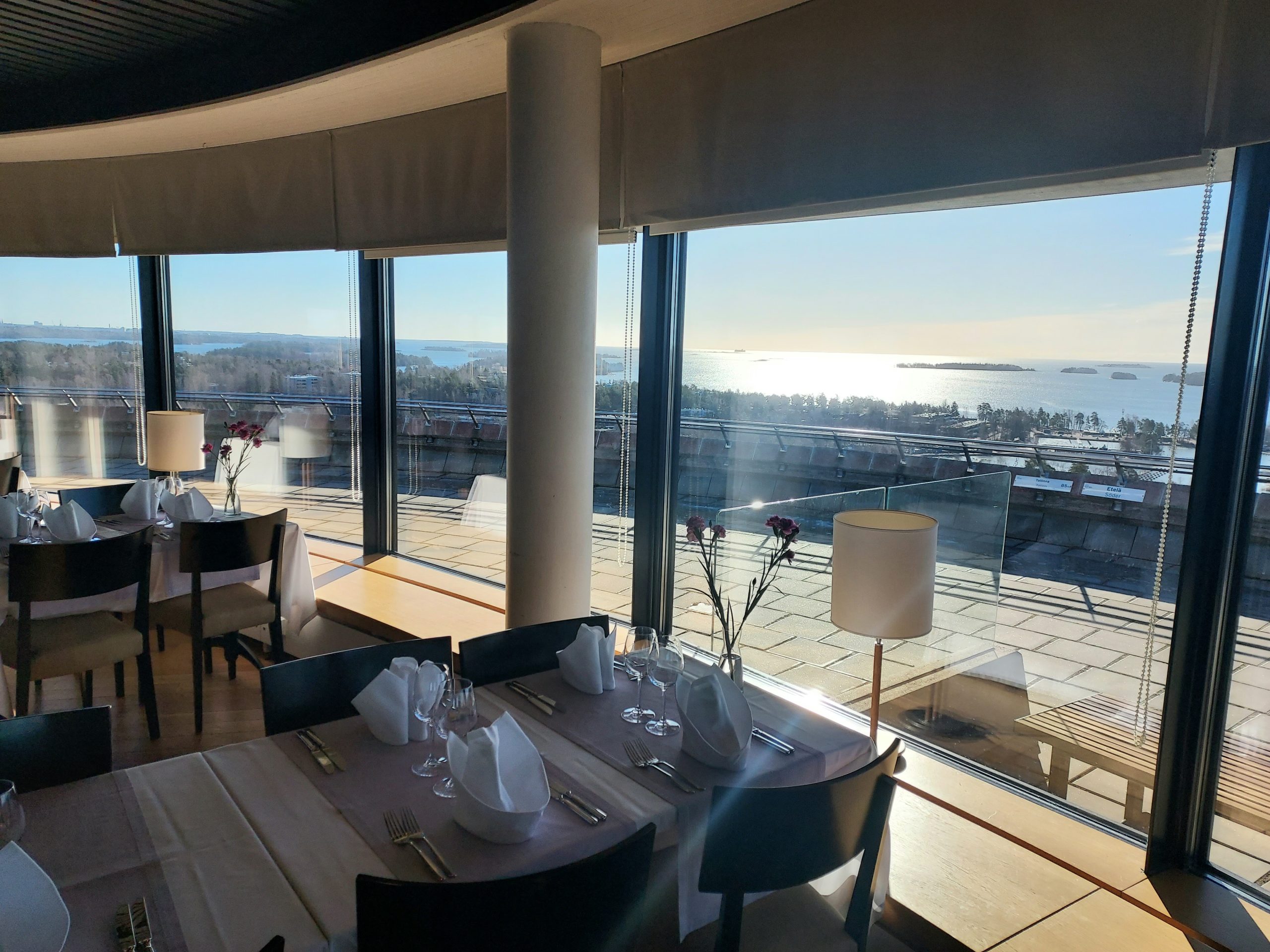
Booking a restaurant for a private event involves contacting the venue, discussing your requirements, confirming availability, and finalizing details such as menu, guest count, and special arrangements. For a successful booking, you should communicate clearly about your event needs, budget expectations, and desired ambiance. Many restaurants offer dedicated event coordinators to guide you through the process, ensuring your private celebration or corporate gathering is seamlessly organized from inquiry to execution.
Understanding private event bookings at restaurants
A private event booking at a restaurant means reserving a dedicated space or the entire venue exclusively for your gathering. This type of reservation, known as “yksityistilaisuus” in Finnish, provides privacy and personalized service for special occasions. Private events can range from intimate family celebrations to large corporate functions, weddings and professional meetings and events, or milestone celebrations.
When booking a private event, you typically gain exclusive use of a designated area or the entire restaurant, customized menu options, dedicated staff, and the ability to personalize the space. The key advantage is the undivided attention to your event’s specific needs and a more controlled environment for your guests to enjoy.
The process usually begins with an inquiry about availability, followed by discussions regarding guest count, menu preferences, timing, and any special requirements. Many restaurants have minimum spend requirements or room hire fees for private bookings, especially during peak seasons.
What should you consider before booking a restaurant for a private event?
Before booking a restaurant for a private event, consider your guest count, budget, desired ambiance, menu preferences, and any special requirements. These factors will help narrow down suitable venues and ensure the restaurant can accommodate your specific needs.
Guest capacity is crucial – you’ll need a space that comfortably fits your group without feeling cramped or too empty. Your budget should account for food, beverages, service charges, and potentially room hire fees. Be clear about your expectations and ask about pricing structures upfront.
Consider the atmosphere you want to create. Do you prefer a cozy, intimate setting with panoramic views or something more contemporary? The restaurant’s existing décor and ambiance should complement your event vision to minimize additional decorating costs.
Menu options are another vital consideration. Discuss whether you want a set menu, buffet-style service, or customized offerings. Inquire about the restaurant’s ability to accommodate dietary restrictions and allergies. Family-style dining with Scandinavian buffet options can create a welcoming atmosphere for social events.
Finally, think about accessibility for your guests, parking availability, and the restaurant’s location relative to your guests’ accommodation or transport options.
How far in advance should you book a restaurant for a private event?
You should book a restaurant for a private event at least 2-3 months in advance for standard celebrations and 6-12 months ahead for large events like weddings or major corporate functions. This timeline ensures you secure your preferred date and gives adequate planning time.
For smaller gatherings of 10-30 people, a 4-6 week advance booking might suffice during off-peak seasons. However, prime dates (weekends, holidays, and summer months) require much earlier reservations as these slots fill quickly.
Consider seasonal factors when planning. December is exceptionally busy with holiday parties, while summer months are popular for weddings and celebrations that take advantage of longer daylight hours and scenic views. Spring and autumn events might offer more flexibility and potentially better rates.
Corporate events often follow different patterns, with many companies planning quarterly or annual functions well in advance. For regular business meetings or smaller corporate gatherings, a 3-4 week notice is usually sufficient, though earlier booking is always preferable.
Remember that restaurants in unique locations or with spectacular views tend to book up faster than others, regardless of season.
What information do you need to provide when booking a restaurant?
When booking a restaurant for a private event, you’ll need to provide essential details including the event date and time, guest count, event type, desired menu, budget parameters, and any special requirements. This information helps the restaurant determine if they can accommodate your needs.
Start with the basics: preferred date (with potential alternatives), event duration, estimated guest count (with an indication of whether this might change), and the nature of your event (birthday, corporate dinner, wedding reception, etc.).
Be prepared to discuss your food and beverage preferences. Would you like a set menu, buffet, or à la carte options? Do you require alcohol service, and if so, would you prefer a cash bar, open bar, or something in between? Note any dietary restrictions or allergies among your guests.
Share your budget expectations clearly to avoid misunderstandings later. Ask about the deposit amount required to secure your booking and the payment schedule. Understand the cancellation policy and any penalties that might apply.
Finally, mention any additional services you might need, such as audio-visual equipment, specific room layouts, decoration allowances, cake-cutting services, or entertainment accommodations.
How do you negotiate terms and special requests with the restaurant?
To negotiate terms and special requests with a restaurant, start by clearly communicating your needs and budget while remaining flexible on certain aspects. Most venues are willing to work with you to create a memorable event that satisfies both parties.
Begin negotiations after you’ve received the initial proposal. Review all charges carefully and identify areas where you might request adjustments. When discussing menu options, ask if certain substitutions might help meet your budget while maintaining quality. For example, selecting seasonal ingredients often provides better value.
For room setup and décor, clarify what the restaurant provides as standard and what might incur additional charges. Many venues allow reasonable decoration as long as it doesn’t damage the property. Discuss your ideas early and get written confirmation of what’s permitted.
When negotiating pricing, consider off-peak times or days when the restaurant might offer more competitive rates. Sunday through Thursday events typically cost less than Friday or Saturday functions. Afternoon events might also be more affordable than evening bookings.
Always get all agreements in writing, including any special arrangements or concessions. This prevents misunderstandings and provides a reference point for both parties as the event approaches.
Key takeaways for successful restaurant event bookings
The most crucial factor for successful restaurant event bookings is early planning. Start your search well in advance, especially for special dates or peak seasons, to secure your preferred venue and time.
Clear communication is essential throughout the process. Articulate your expectations, budget limitations, and specific requirements from the initial inquiry. Maintain regular contact as your event approaches, confirming details and addressing any changes promptly.
When evaluating potential venues, consider the full experience beyond just the menu. The ambiance, view, service quality, and location all contribute significantly to your event’s success. Choose a restaurant that aligns with your event’s purpose and desired atmosphere.
Be thorough in your contract review. Understand the deposit requirements, cancellation policies, minimum spend obligations, and any additional fees that might apply. Clarify what happens in case of changes to your guest count, either increases or decreases.
Finally, build a good relationship with your event coordinator. Their expertise can be invaluable in navigating potential challenges and enhancing your event with thoughtful suggestions based on their experience with similar functions.
With proper planning and clear communication, your private dining experience will create lasting memories for all your guests, whether it’s an intimate family celebration or a grand corporate gathering.