
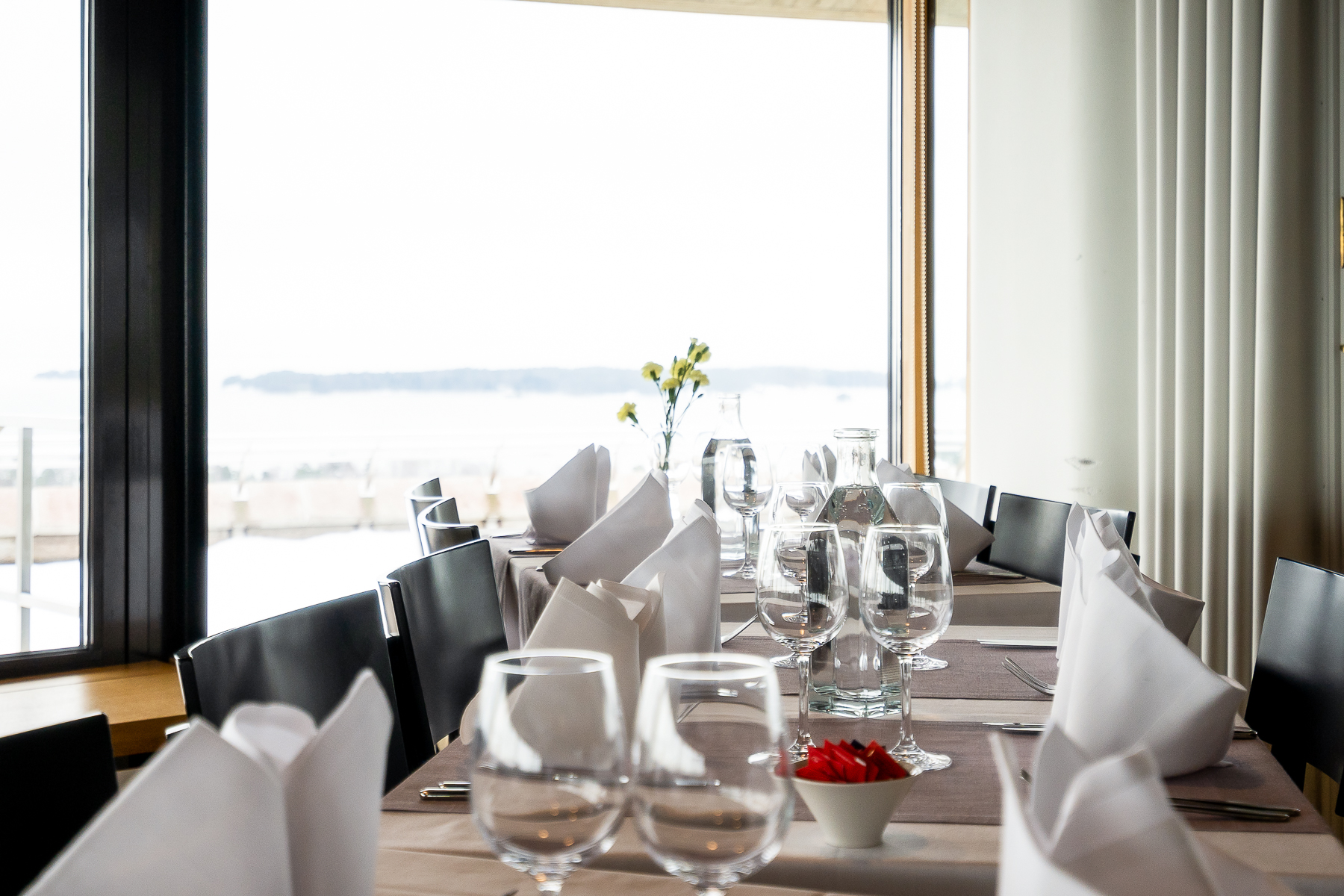
Espoo’s coastal restaurants are worth visiting in 2026 because they combine exceptional natural scenery with distinctive culinary traditions rooted in Scandinavian heritage. Waterfront dining here means more than a meal — it means panoramic sea views, fresh seasonal seafood, and an atmosphere shaped by decades of Nordic hospitality. The questions below unpack exactly what makes these restaurants so memorable.
What kind of dining experiences do Espoo’s coastal restaurants offer?
Espoo’s coastal restaurants offer a layered dining experience that blends scenic waterfront settings with Nordic culinary tradition. Guests can expect fresh fish and seafood dishes prepared from seasonal catches, generous Scandinavian buffet spreads, and a relaxed yet refined atmosphere that reflects the region’s deep connection to the sea. The experience is as much about place as it is about food.
What sets Espoo waterfront dining apart is the sense of occasion it creates without demanding formality. Whether you arrive for a midweek lunch or a weekend dinner, the combination of open water views and honest, ingredient-led cooking gives the meal a quality that is difficult to replicate inland. Many restaurants along this coastline have been serving guests for generations, which means the hospitality feels practiced and genuine rather than scripted.
Seafood is naturally central to the menu. Expect dishes built around Baltic herring, perch, pike-perch, and other locally sourced fish, often prepared simply to let the freshness speak for itself. Seasonal menus shift with the catch, so what you eat in spring will differ meaningfully from what is on the table in autumn. This responsiveness to the seasons is one of the defining qualities of serious coastal cooking.
Where are Espoo’s most scenic waterfront restaurants located?
The most scenic waterfront restaurants in Espoo are concentrated along the southern coastline, particularly around the Haukilahti Bay area. This stretch of coastline offers unobstructed views across the archipelago toward Helsinki, making it one of the most visually rewarding places to dine in the entire Helsinki metropolitan region.
Haukilahti is especially notable. The bay sits at a point where the city meets open water, and the surrounding landscape shifts beautifully with the seasons — frozen and luminous in winter, green and active in summer. We operate from the Haukilahti water tower, which places our dining room at one of the highest vantage points in southern Finland. On a clear day, guests can see across the sea toward Helsinki and deep into the Espoo archipelago simultaneously.
For anyone planning Espoo waterfront dining, the Haukilahti area rewards exploration beyond the restaurant itself. The surrounding marina, walking paths, and open shoreline make it easy to extend a meal into a longer outing, particularly during the long Nordic summer evenings when daylight stretches well into the night.
What is a Scandinavian buffet and what dishes does it typically include?
A Scandinavian buffet, often called a smörgåsbord in Swedish tradition, is a self-service spread of cold and warm dishes drawn from Nordic culinary heritage. It typically includes cured and pickled fish, cold cuts, salads, warm potato dishes, bread, and seasonal specialties. The format emphasizes variety, freshness, and communal enjoyment rather than a single plated course.
The fish selection is usually the centerpiece. Pickled herring prepared in several ways — with mustard, onion, cream, or lingonberry — appears alongside gravlax, smoked salmon, and roe. Cold cuts such as roast beef, cured meats, and liver pâté complement the seafood. Warm dishes often include meatballs, Jansson’s temptation (a creamy potato and anchovy gratin), and seasonal vegetable preparations.
Bread plays an important role. Rye bread, crispbread, and soft rolls are standard accompaniments, served alongside butter, cheese, and spreads. Desserts typically feature berry-based options such as lingonberry mousse or cloudberry cream, reflecting the Nordic landscape’s natural larder.
At Haikaranpesä, the Scandinavian buffet has been a cornerstone of our offering since the restaurant’s earliest years. We update the spread seasonally so that the ingredients reflect what is genuinely at its best at any given time of year, rather than defaulting to a static, year-round menu.
Why do family-run restaurants stand out in Espoo’s food scene?
Family-run restaurants stand out in Espoo’s food scene because they carry institutional knowledge, consistent standards, and a personal investment in the guest experience that is difficult to replicate in larger, more corporate operations. When the same family has been cooking for and hosting guests across multiple generations, the quality of care tends to be embedded in the culture of the place rather than enforced through management systems.
There is also a practical dimension. Family businesses tend to maintain tighter control over sourcing, preparation, and service because the owners are often present and directly accountable. Recipes evolve slowly and deliberately rather than changing with management turnover. Regulars build genuine relationships with the people serving them, and that continuity shapes the character of the restaurant in ways that guests feel even if they cannot always articulate them.
We are a third-generation family restaurant, and that lineage shapes everything from how we source our fish to how we train the people who work with us. The knowledge accumulated over decades — which suppliers to trust, how to read seasonal variation in the catch, what guests return for year after year — is not something that can be acquired quickly. It is earned through time and passed down with intention.
When is the best time to visit a coastal restaurant in Espoo?
The best time to visit a coastal restaurant in Espoo depends on what kind of experience you are looking for, but late spring through early autumn — roughly May to September — offers the most complete combination of good weather, long daylight hours, and peak seasonal ingredients. Summer evenings in particular, when the sun sets late and the water reflects the light, are genuinely exceptional for waterfront dining.
That said, each season offers something distinct and worth experiencing.
- Spring (April to May): The coastline comes alive after winter, and the first fresh catches of the season arrive. Lighter menus and a sense of renewal make spring visits feel energizing.
- Summer (June to August): Long days, warm evenings, and the full vibrancy of the Nordic summer. Outdoor terrace dining is at its best, and the views across the water are at their most dramatic.
- Autumn (September to October): Autumn brings rich, earthy flavors to the menu alongside the last strong fish catches of the year. The foliage along the coastline adds color to the scenery.
- Winter (November to March): A quieter, more intimate atmosphere. The frozen sea and low winter light create a stark beauty, and hearty warm dishes make the season deeply satisfying for those who embrace Nordic winter dining.
For weekday visits, lunchtime is often the most practical window. The pace is relaxed, menus are focused, and the setting feels unhurried. We update our seasonal coastal lunch menu regularly to reflect what is freshest and most interesting at that moment in the season. If you are curious about what we are currently serving, we warmly invite you to reserve your waterfront dining table and plan your next visit accordingly.