
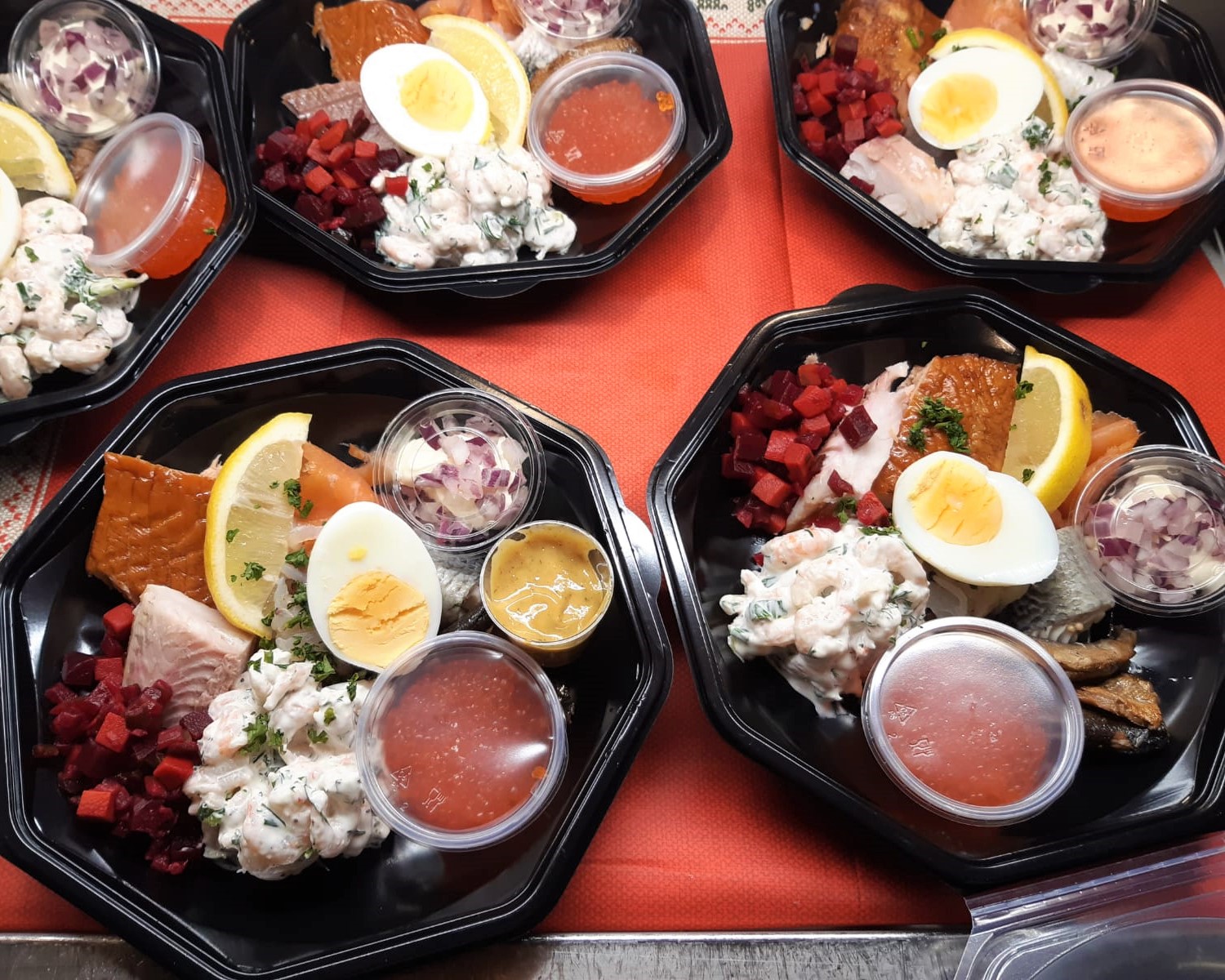
The Finnish Christmas table traditional feast (joulupöytä) is a cornerstone of Finland’s holiday tradition, representing both cultural heritage and family togetherness. This festive spread features an abundance of traditional dishes that have been enjoyed for generations, from cured salmon to Christmas ham and various casseroles. The joulupöytä brings families together in celebration, creating a warm atmosphere during the darkest time of the year. Beyond mere sustenance, it embodies Finnish values of hospitality, quality ingredients, and seasonal specialties that connect modern celebrations to ancient midwinter feast traditions.
What is joulupöytä and why is it central to Finnish Christmas?
Joulupöytä, literally translated as “Christmas table,” is the traditional Finnish Christmas meal featuring a lavish buffet-style spread of seasonal delicacies. It stands at the heart of Finnish Christmas celebrations because it embodies the core values of family togetherness, cultural heritage, and festive abundance during the darkest time of year.
This feast represents more than just food—it’s a cultural institution that brings multiple generations together. In Finnish culture, the Christmas table creates a space where family stories are shared, traditions are passed down, and memories are created. The careful preparation and arrangement of dishes follows traditions that often span generations within families.
The importance of joulupöytä is also tied to Finland’s agricultural heritage and historical need to prepare special foods during the brief daylight hours of winter. Many traditional dishes were originally preserved to last through winter, reflecting Finns’ resourcefulness and connection to the land. Today, even as lifestyles have changed, the Christmas table remains a symbol of continuity with the past and a celebration of Finnish identity.
For many Finnish families, preparing the joulupöytä is a collaborative process that begins days before Christmas, with different family members contributing specific dishes, making it a communal expression of care and celebration.
What traditional dishes must appear on an authentic Finnish Christmas table?
An authentic Finnish Christmas table features a distinctive collection of dishes that would be immediately recognizable to any Finn. The centerpiece is typically the Christmas ham (joulukinkku), a slow-baked ham often glazed with mustard and breadcrumbs that requires hours of preparation and represents the pinnacle of the feast.
Fish dishes hold special significance, with gravlax (graavisiika) and various forms of herring being essential components. Cold-smoked salmon, salt-cured whitefish, and herring prepared in multiple ways (often with sherry or sour cream) reflect Finland’s strong connection to its waters. These fish preparations showcase traditional preservation methods that have been perfected over generations.
The table also features a variety of casseroles (laatikot) including:
- Potato casserole (perunalaatikko)
- Carrot casserole (porkkanalaatikko)
- Rutabaga casserole (lanttulaatikko)
- Liver casserole (maksalaatikko)
These casseroles offer a perfect balance to the saltier meat and fish dishes. Other essential elements include Karelian pies (karjalanpiirakat) with egg butter, beetroot salad (rosolli), and Christmas bread (joululimppu), a sweet, dark malted rye bread.
For dessert, traditional offerings include rice pudding (riisipuuro) often with an almond hidden inside for luck, gingerbread cookies (piparkakut), and star-shaped plum pastries (joulutortut). The meal is typically accompanied by glögi, the Finnish version of mulled wine, which may be served with or without alcohol.
How has the Finnish Christmas table evolved over the centuries?
The Finnish Christmas table has undergone significant transformation while maintaining its essential character. Originally, the pre-Christian midwinter feast featured foods available during the harsh winter months—primarily preserved fish, game meats, and root vegetables stored since autumn.
With the arrival of Christianity, new elements were incorporated, including the Christmas ham which became prominent in the 19th century. Previously, fish was the centerpiece of the feast in keeping with Catholic fasting traditions. The religious significance of certain dishes gradually gave way to cultural importance.
The 20th century brought major developments as Finland’s food culture evolved:
- Post-WWII prosperity allowed more abundant and varied Christmas tables
- Modern refrigeration reduced the emphasis on preserved foods
- International influences introduced new elements alongside traditional dishes
- Commercial preparation became more common, though homemade dishes remain prized
In contemporary Finland, the joulupöytä reflects both tradition and adaptation. Many families maintain century-old recipes while accommodating dietary preferences such as vegetarianism. The inclusion of dishes like sweet potato casserole or cranberry sauce shows subtle international influences, particularly from American Christmas traditions.
Restaurants like ours at Ravintola Haikaranpesä have played a role in this evolution by preserving traditional flavors while presenting them with modern culinary techniques. Our Christmas buffet honors these traditions while ensuring they remain vibrant and relevant for today’s diners.
When do Finns typically enjoy their Christmas meal?
The main Finnish Christmas meal is traditionally enjoyed on Christmas Eve (December 24th), typically in the early evening around 5-7 pm. This timing reflects the importance of Christmas Eve in Finnish culture, as it’s considered the primary celebration day rather than Christmas Day itself.
The Christmas Eve meal follows a specific rhythm within the day’s celebrations. Many families visit the sauna earlier in the afternoon, followed by the reading of the “Christmas Peace” declaration broadcast nationally at 12 pm from the city of Turku. After the evening meal, gifts are exchanged and opened, making the Christmas table an integral part of this sequence of traditions.
While Christmas Eve dinner remains the main event, many Finnish families also enjoy Christmas foods across several days:
- Christmas Eve: The primary, formal celebration meal
- Christmas Day: Leftover enjoyment in a more relaxed setting
- Boxing Day (December 26th): Continued enjoyment of Christmas foods
In the weeks leading up to Christmas, many Finns attend “pikkujoulu” (Little Christmas) parties with friends, colleagues and various social groups, which often feature smaller versions of Christmas table foods. These pre-Christmas celebrations extend the season and allow people to enjoy traditional Christmas flavors in different social contexts.
For those who choose to dine out during the holiday season, restaurants typically offer Christmas table service from late November through December 22nd. At Ravintola Haikaranpesä, we serve our Christmas buffet during this period, allowing guests to enjoy traditional flavors with spectacular views.
How do restaurant Christmas tables differ from home celebrations in Finland?
Restaurant Christmas tables in Finland maintain the essential traditional elements while offering distinct advantages and experiences compared to home celebrations. The primary difference lies in the presentation and scale—restaurant joulupöytä typically features a more extensive selection of dishes, professionally prepared and elegantly presented.
At restaurants, guests encounter a comprehensive experience that includes:
- Greater variety of fish preparations (often including multiple types of herring, salmon, and whitefish)
- Professional presentation of traditional dishes with consistent quality
- The convenience of enjoying complex dishes without days of preparation
- The opportunity to experience historical recipes prepared with traditional techniques
- A festive atmosphere without the work of home hosting
The restaurant setting also offers social benefits, particularly for smaller families or those living away from relatives. Many Finns appreciate the opportunity to maintain traditional Christmas dining customs even when unable to gather with extended family.
At Ravintola Haikaranpesä, our Christmas buffet combines authentic Finnish traditions with the unique experience of dining 76 meters above sea level with panoramic views. Our Scandinavian Christmas buffet features classics like cold-smoked salmon, salt-cured whitefish, and various herring preparations, alongside traditional meat dishes and festive desserts.
While home celebrations often center on family recipes and personal traditions, restaurant Christmas tables excel in offering the breadth of Finnish Christmas culinary heritage in one setting. Many families choose to enjoy both experiences—maintaining intimate home traditions while also treating themselves to a restaurant Christmas table during the holiday season.
The Christmas table, whether enjoyed at home or in a restaurant, continues to be a cherished element of Finnish holiday tradition, bringing people together through the sharing of special foods during the darkest time of the year. This tradition reflects Finland’s cultural values of hospitality, quality, and connection to seasonal rhythms that remain relevant even in modern celebrations.