Finding the perfect lunch spot can feel overwhelming when you’re searching for something beyond the ordinary fast-casual options. You want a meal that satisfies your hunger while providing an experience worth remembering, but settling for mediocre food in uninspiring surroundings leaves you disappointed. At Ravintola Haikaranpesä, we understand that your lunch break deserves better than rushed service and forgettable flavors.
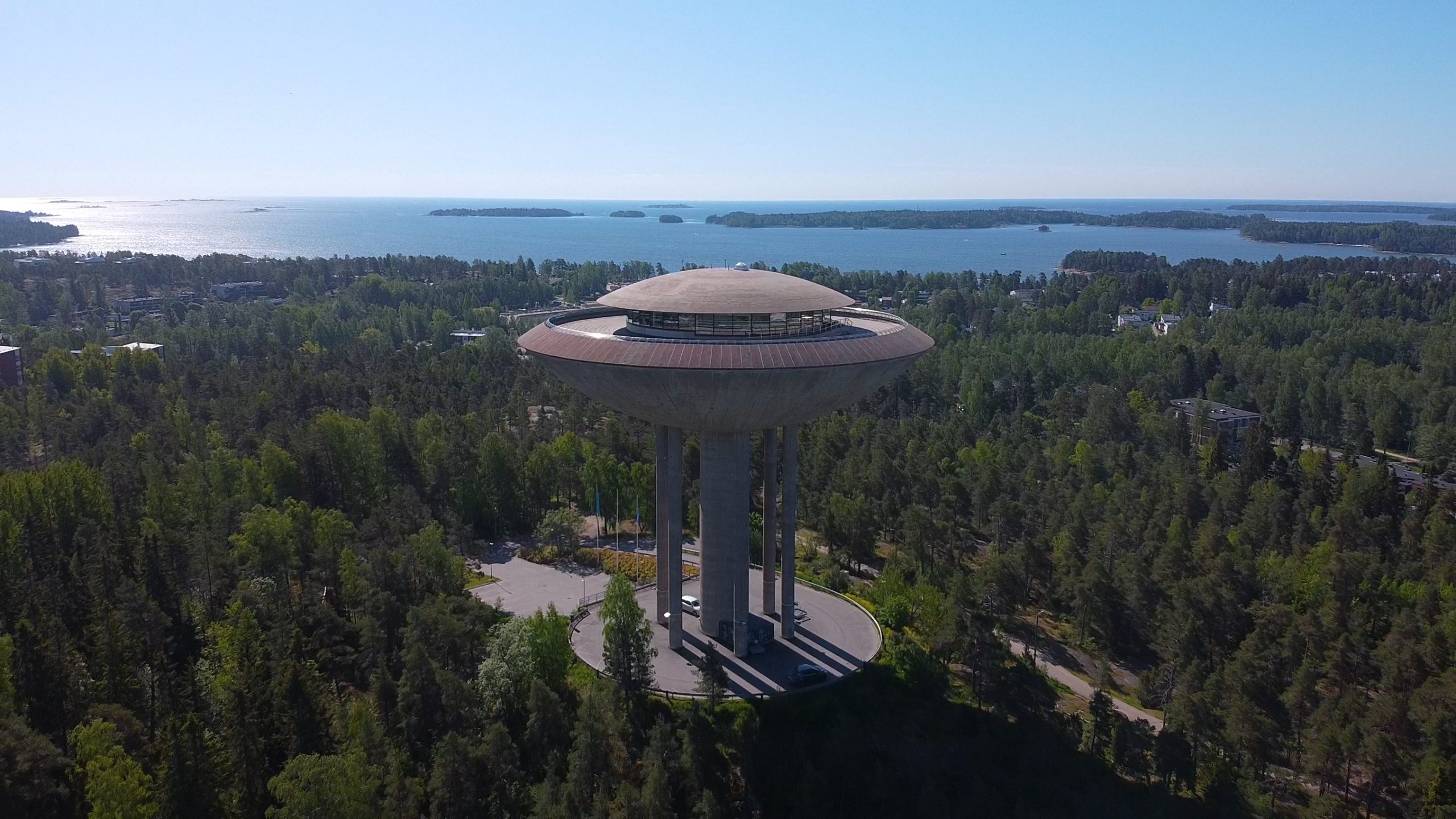
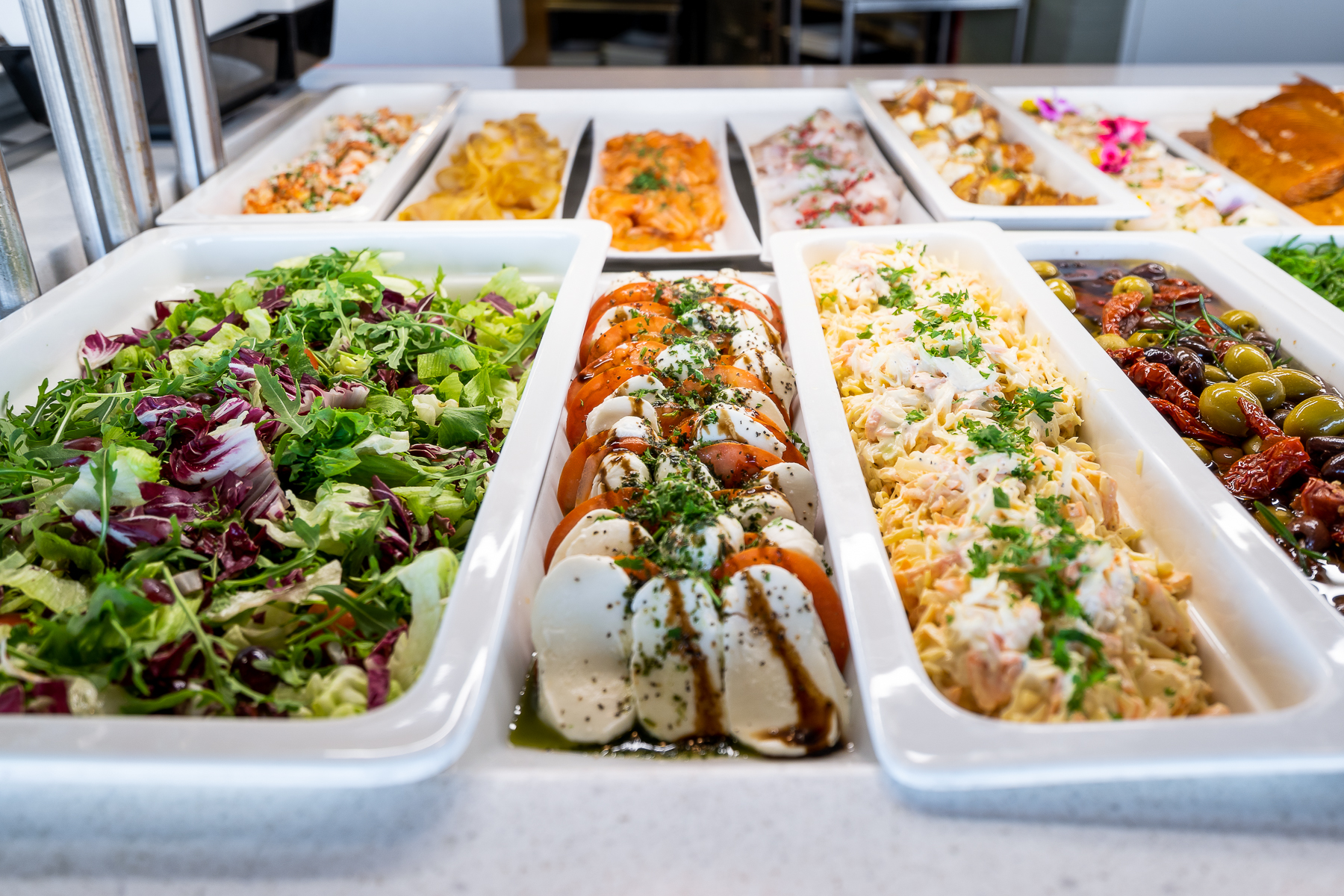
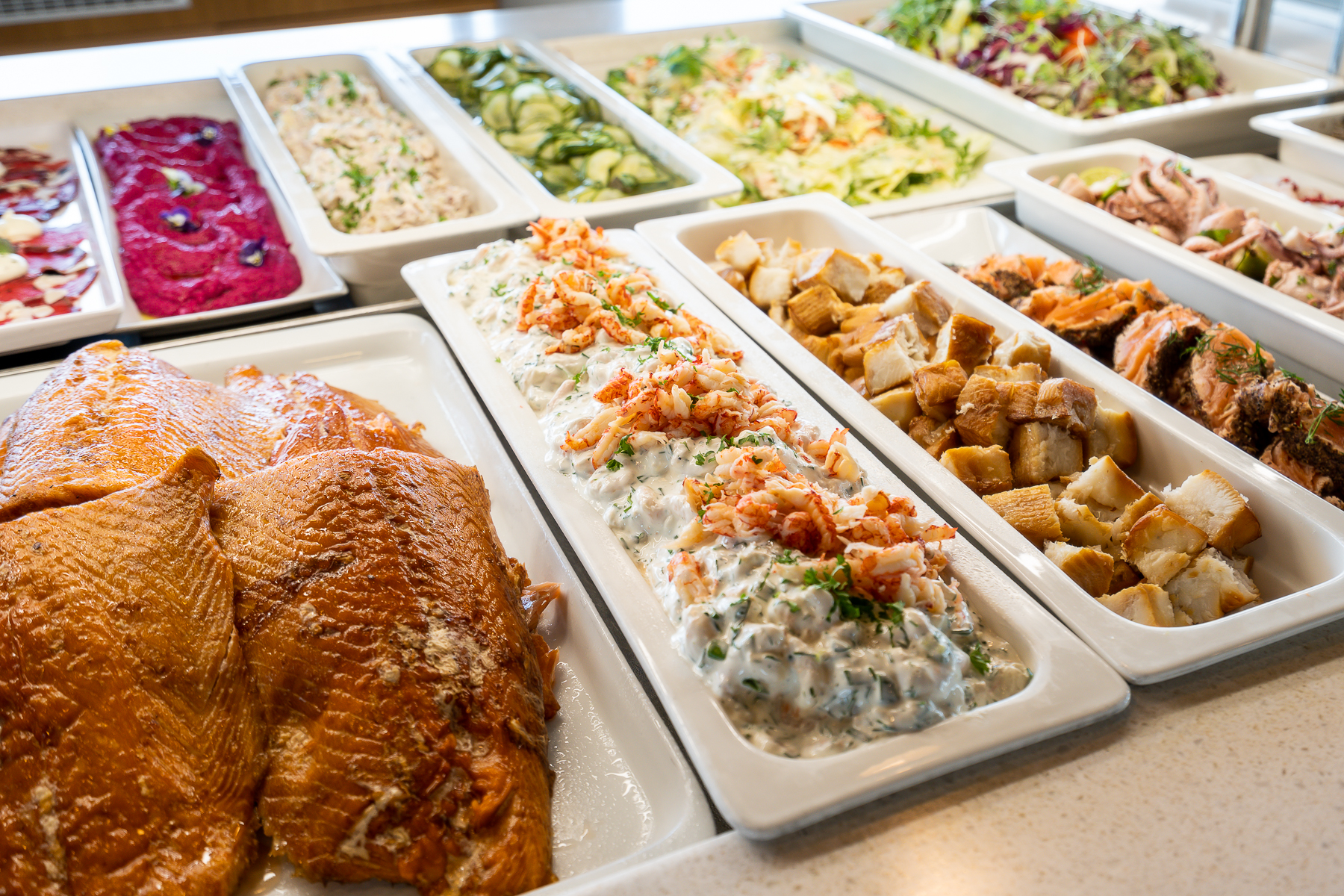
Located in Espoo’s Haukilahti district, our family-run restaurant has been serving exceptional meals from our unique perch in the water tower since the late 1960s. We’ve perfected the art of creating memorable dining experiences that transform an ordinary lunch into something special. Our traditional Scandinavian buffet offers the variety and quality you’re looking for, paired with breathtaking views that make every meal feel like an occasion.
When you choose Haikaranpesä for your lunch, you’re not just getting a meal; you’re joining a three-generation tradition of hospitality and culinary excellence. Learn more about our approach to creating unforgettable lunch experiences that keep guests returning year after year.
Why Espoo stands out for quality lunch experiences
The challenge of finding a lunch venue that delivers both exceptional food and atmosphere becomes even more difficult when you’re tired of the same predictable options. You deserve a dining experience that breaks away from the monotony of typical lunch spots, offering something genuinely distinctive. Our restaurant addresses this need by combining traditional Finnish hospitality with an unparalleled setting that elevates every aspect of your meal.
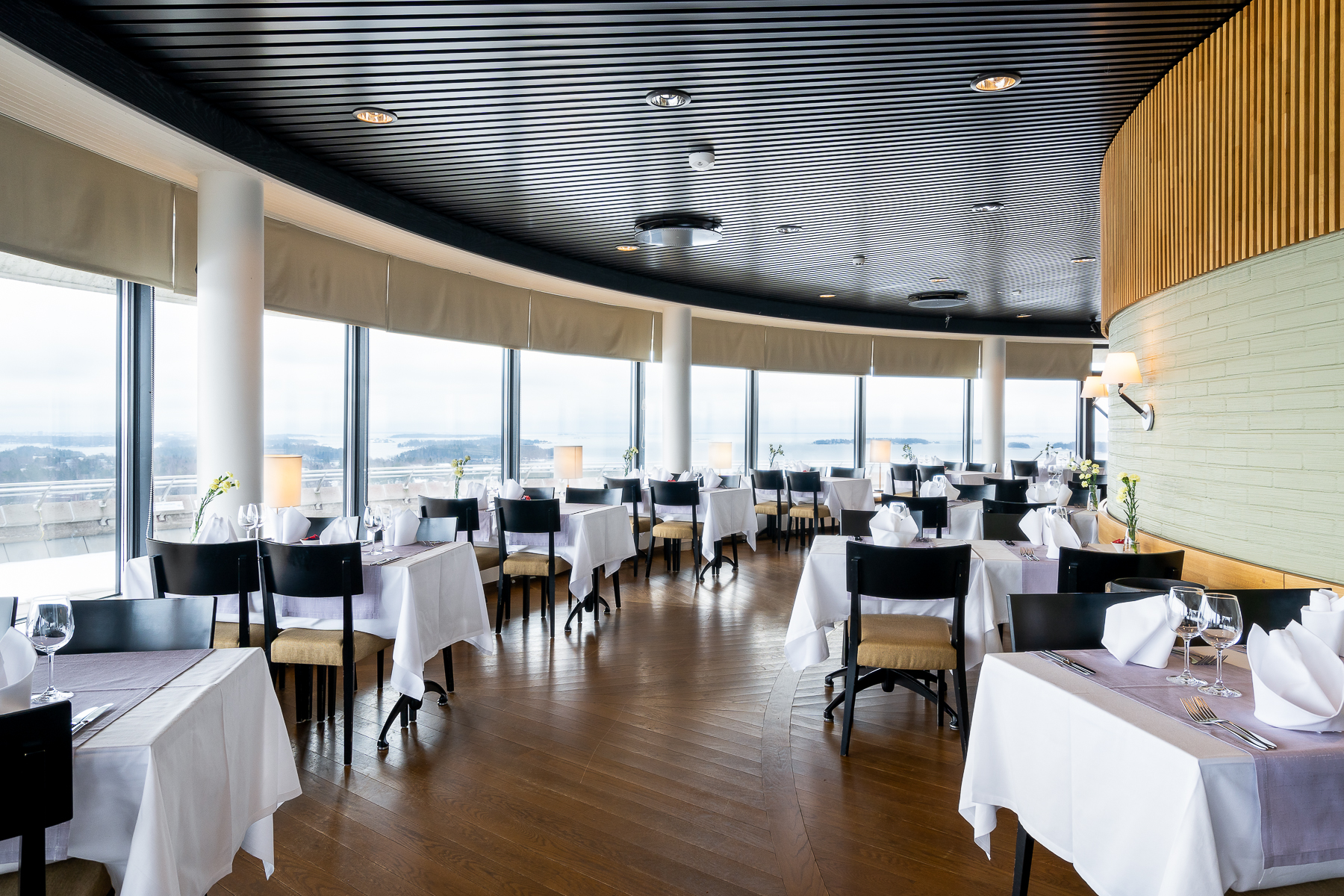
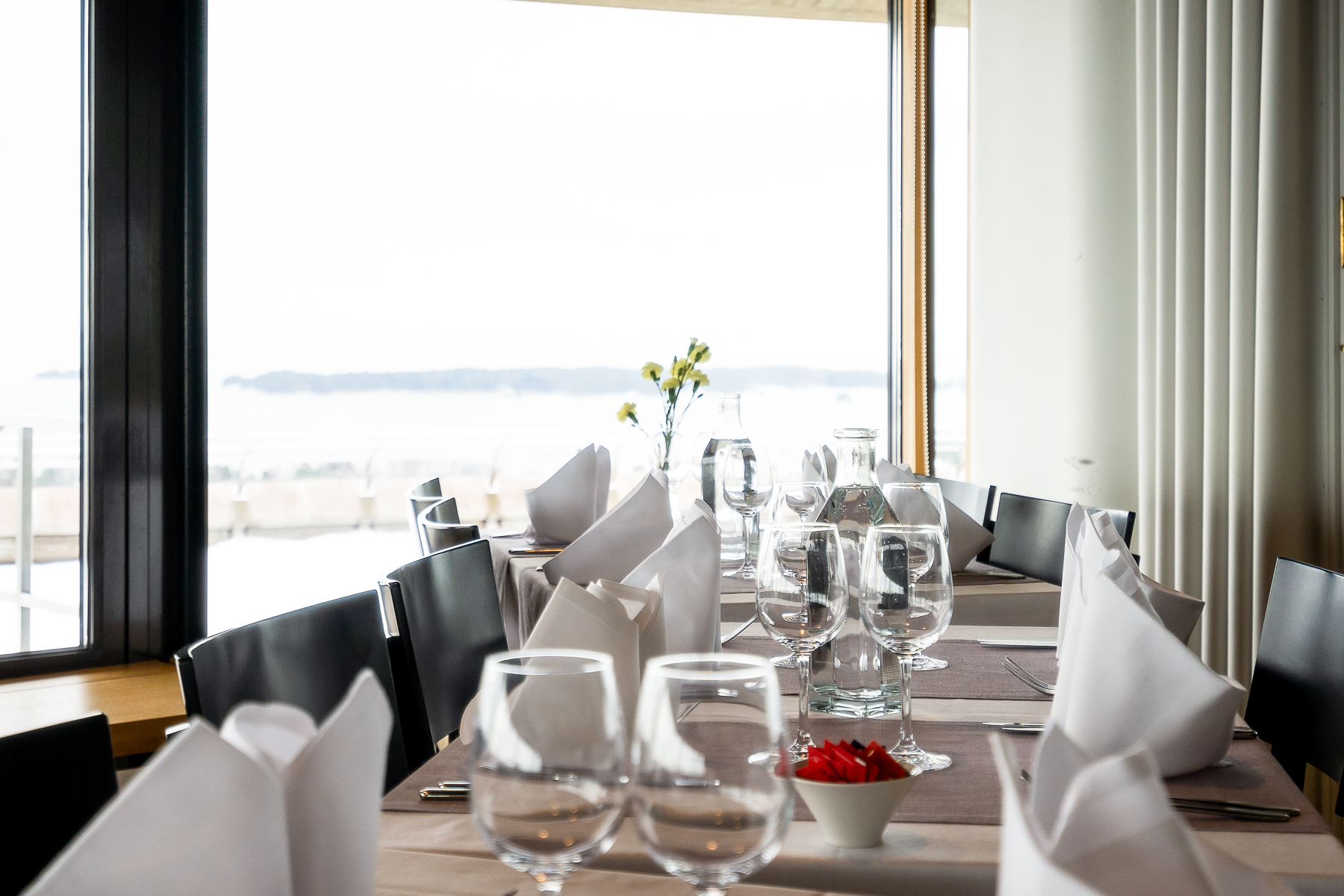
Haikaranpesä’s location in the Haukilahti water tower creates Southern Finland’s highest dining experience, where panoramic views stretch across the sea toward Helsinki and throughout Espoo. This elevated position transforms your lunch from a simple meal into a memorable experience that engages all your senses. The combination of exceptional food and stunning scenery creates the perfect environment for business lunches, family gatherings, or personal celebrations.
Our three-generation family business brings decades of experience in understanding what makes a lunch truly special. We’ve refined our service and menu offerings based on genuine guest feedback and our commitment to maintaining the highest standards. This dedication to excellence means you can trust that every visit will meet your expectations for both food quality and service.
Traditional Finnish lunch culture in Espoo and Haukilahti
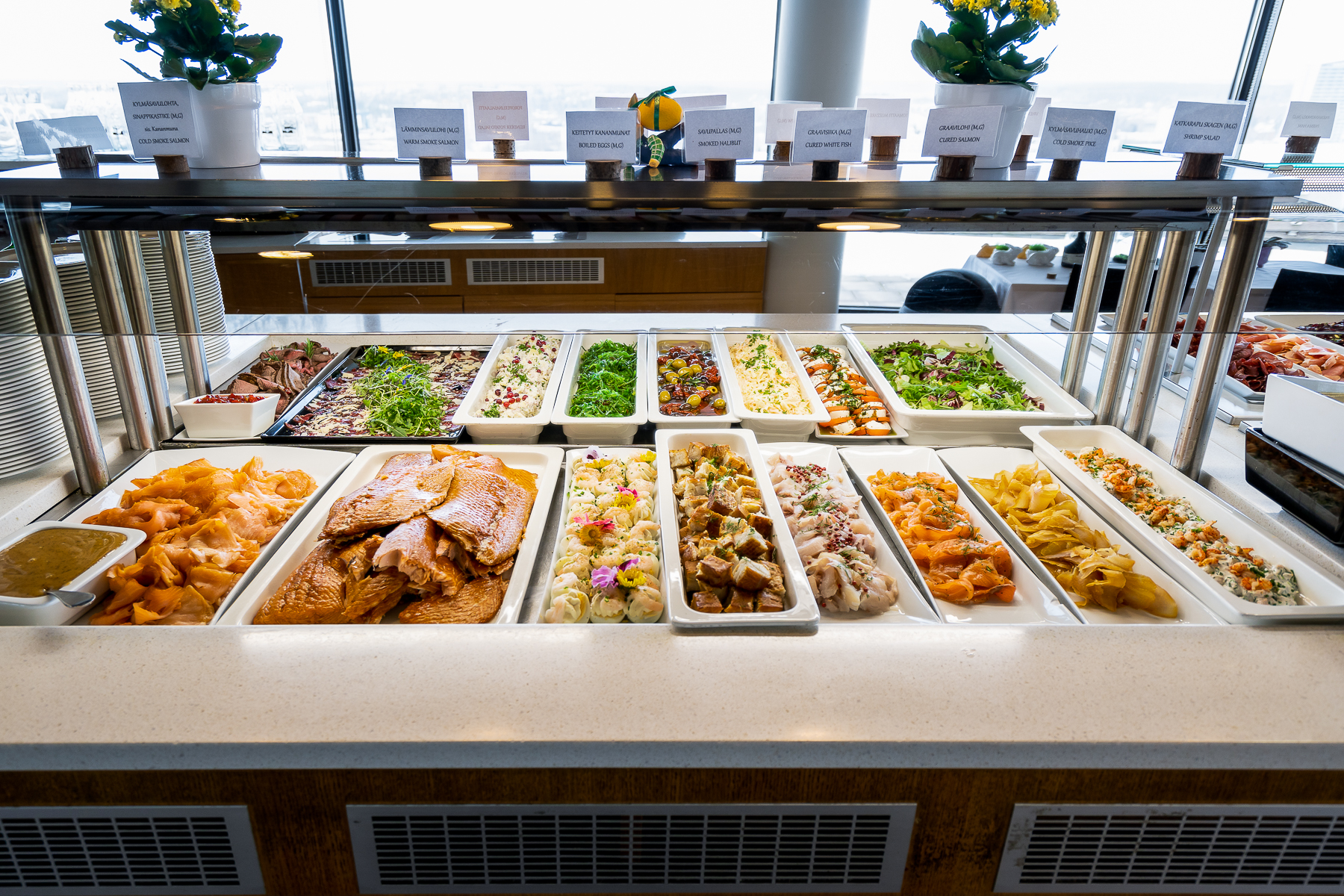
Many lunch venues struggle to balance authenticity with modern expectations, leaving you with either outdated presentations or meals that lack cultural depth. You want to experience genuine Finnish dining traditions without sacrificing the quality and variety that make lunch satisfying. Our Scandinavian buffet solves this challenge by presenting traditional flavors and preparations in a format that allows you to customize your meal according to your preferences and appetite.
The buffet style honors the Finnish tradition of communal dining while giving you complete control over your lunch experience. You can sample multiple dishes, return for favorites, and create combinations that perfectly suit your taste. This approach respects the unhurried nature of traditional Finnish meals while accommodating the practical needs of modern lunch schedules.
Authentic preparation methods
Our kitchen team uses time-tested techniques that have been refined over decades of service. We prepare dishes using traditional methods that bring out the natural flavors of high-quality ingredients. Fresh, seasonal components form the foundation of our buffet offerings, ensuring that each dish reflects the best of Scandinavian culinary traditions.
Seasonal menu adaptation
The changing seasons influence our buffet selections, allowing you to experience the natural rhythm of Finnish cuisine throughout the year. Spring and summer bring lighter preparations that highlight fresh vegetables and seafood, while autumn and winter feature heartier dishes that provide comfort and satisfaction. This seasonal approach ensures that your lunch experience remains fresh and interesting with each visit.
See how we can help you discover the authentic flavors and traditions that make Finnish lunch culture so distinctive and satisfying.
Scenic lunch venues across Espoo’s districts
The problem with most lunch locations is their forgettable settings that do nothing to enhance your dining experience. You spend your meal looking at parking lots, busy streets, or bland interior walls that make eating feel like a chore rather than a pleasure. Our elevated position in the water tower completely transforms this aspect of lunch dining by surrounding you with natural beauty that changes throughout the day and seasons.
From our dining room, you can watch the interplay of light and shadow across the water, observe the changing weather patterns, and enjoy views that extend far beyond typical restaurant sightlines. The connection to the natural environment creates a calming atmosphere that helps you truly relax and enjoy your meal. This scenic setting makes business conversations more pleasant and personal dining more memorable.
The unique architecture of the water tower location adds another layer of interest to your lunch experience. The circular design and elevated position create an intimate yet spacious feeling that’s unlike any other dining venue. Windows surrounding the dining area ensure that every seat offers impressive views, making each guest feel they have the best table in the house.
What makes a quality lunch experience in Espoo
Too many lunch experiences fall short because they focus on speed over satisfaction, leaving you feeling rushed and unfulfilled. You need a lunch venue that respects your time while providing the relaxation and nourishment that make the meal worthwhile. Haikaranpesä creates this balance by offering efficient buffet service within an environment that encourages you to slow down and enjoy the experience.
Quality lunch service means anticipating your needs without being intrusive, maintaining food at optimal temperatures and freshness, and creating an atmosphere where conversation flows naturally. Our experienced staff understands these requirements and works to ensure that every aspect of your visit contributes to your satisfaction. From the moment you arrive until you leave, we focus on making your lunch experience smooth and enjoyable.
Consistent food quality standards
Our buffet maintains strict quality controls that ensure every dish meets our high standards throughout service. Regular replenishment keeps food fresh and at proper serving temperatures, while careful preparation prevents the common buffet problems of dried-out or overcooked items. We monitor each dish continuously and replace items that don’t meet our freshness criteria.
Flexible dining pace
Unlike restaurants where you wait for courses to arrive, our buffet format allows you to control the timing and pace of your meal completely. You can enjoy a quick, efficient lunch when time is limited or extend your dining experience when you want to savor the food and scenery. This flexibility makes Haikaranpesä suitable for various lunch situations, from business meetings to leisurely family meals.
The combination of exceptional food, stunning views, and attentive service creates lunch experiences that exceed your expectations and provide genuine value for your time and investment. Get started today by planning your visit to discover why Haikaranpesä has remained Espoo’s premier lunch destination for over five decades.